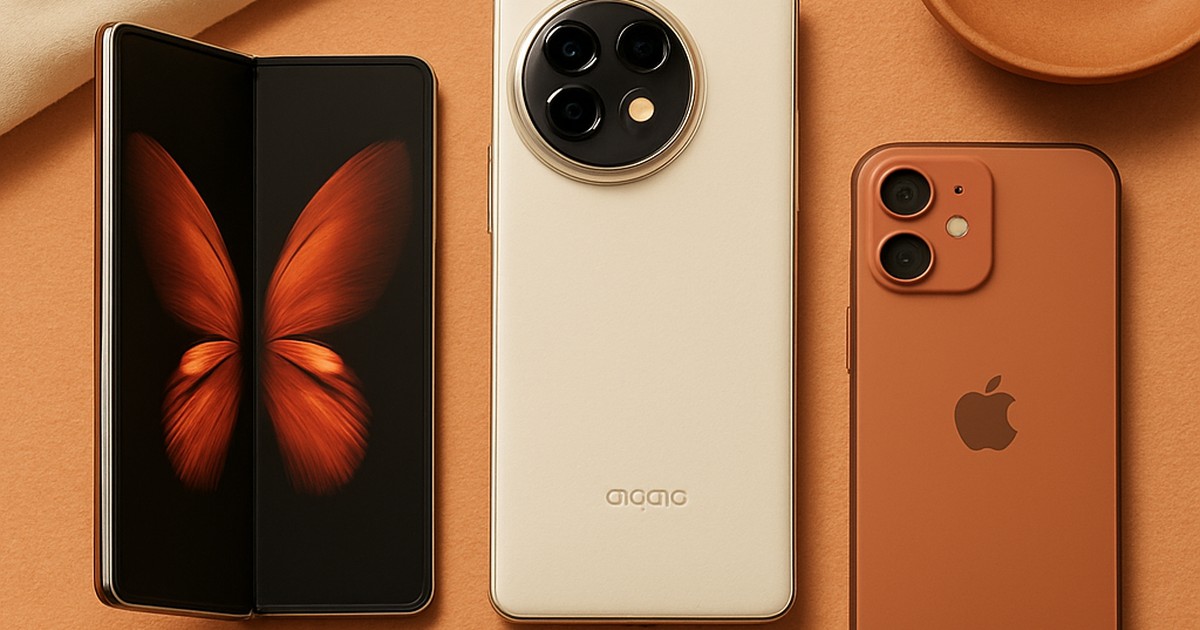
In a dramatic shift within the smartphone industry, Apple has been dethroned from its long-held flagship position in the April 2026 phone-review cycle. Traditionally seen as the benchmark in technology and innovation, Apple’s iPhone series has dominated the market for over a decade. However, two competitors, Samsung and Oppo, have emerged as front-runners this year, redefining what consumers can expect from high-end smartphones. Samsung’s Galaxy Z TriFold and Oppo’s Find X9 Ultra have not only pushed technological boundaries but have also captured the attention and admiration of tech enthusiasts worldwide. This article will delve into the key features and capabilities of these two groundbreaking devices while examining how they have managed to outshine Apple’s long-reigning supremacy in the industry.
Context
For years, Apple has been synonymous with innovation in the smartphone world. Since the introduction of the iPhone 15 Pro, Apple’s devices have been the staple of cutting-edge technology, boasting unparalleled performance, superior build quality, and a seamless user experience. Their dominance was largely unchallenged, with each new release setting a high bar for competitors. However, the landscape began to shift as emerging brands realized the potential to innovate beyond traditional expectations, prompting a surge in competition that has now reached its peak.
This week marks a significant turning point. The April 2026 review cycle has revealed a consensus among critics and consumers alike that Apple’s latest offerings, while still impressive, no longer lead the pack. Instead, the spotlight has turned to Samsung and Oppo, two brands that, despite their relative obscurity in the flagship realm just 18 months ago, have rapidly evolved into industry powerhouses. This development is not only indicative of the dynamic nature of the tech industry but also reflects the growing consumer desire for diverse and specialized features in their devices.
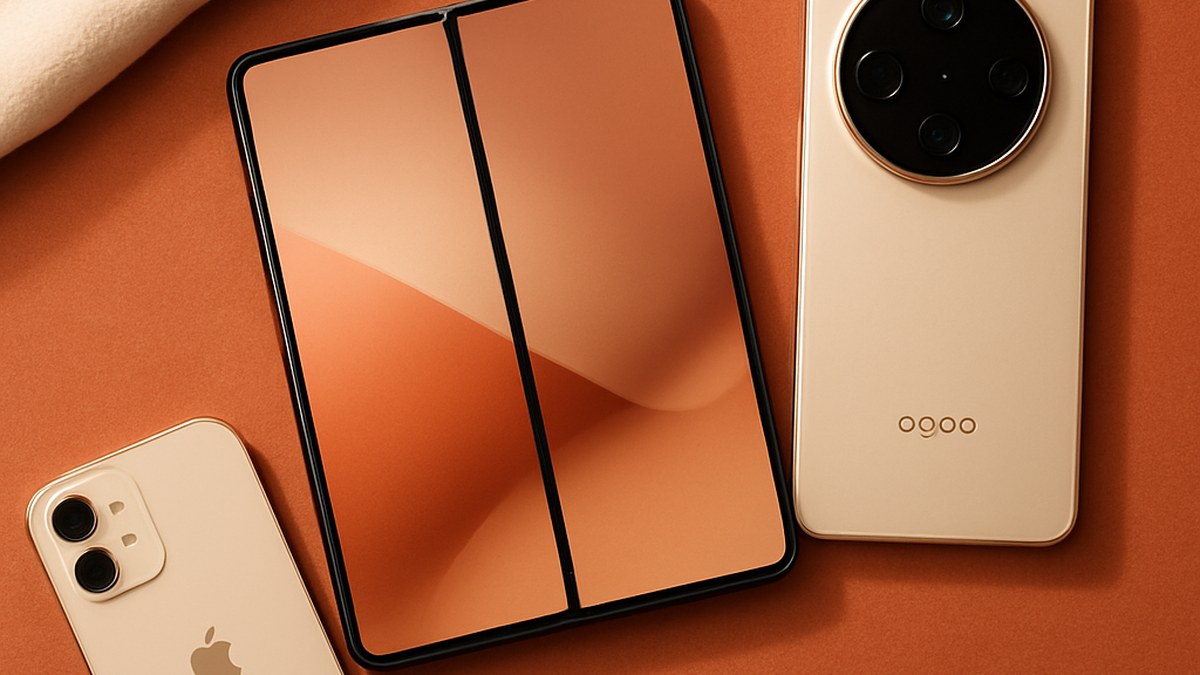
The emergence of Samsung and Oppo as leaders in this space is a testament to their strategic focus on innovation and market differentiation. Samsung’s foray into foldable technology with the Galaxy Z TriFold, and Oppo’s push for camera excellence with the Find X9 Ultra, have proven that the once-clear path to flagship supremacy is now a multifaceted race. As we unpack the specifics of these devices, it becomes evident that these companies have not only met but exceeded the high standards set by Apple, ushering in a new era of smartphone innovation.
What Happened
The Samsung Galaxy Z TriFold and Oppo Find X9 Ultra have captured the top spots in the April 2026 flagship phone rankings, a position traditionally held by Apple. The Galaxy Z TriFold is particularly noteworthy for its engineering marvel: a double-folding form factor that transforms from a compact 6.5-inch phone into a sprawling 10-inch tablet. This innovative design includes an aerospace-grade titanium hinge reputed to withstand 200,000 folds without faltering, highlighting Samsung’s commitment to durability and functionality. Priced at $3,299, the TriFold is not merely a new gadget but represents a bold leap forward in mobile technology, redefining user expectations for what a phone can do.
Meanwhile, Oppo’s Find X9 Ultra is setting new standards in mobile photography, having dethroned the iPhone 17 Pro Max as the reigning camera flagship. Equipped with dual 200-megapixel sensors for the main and 10x zoom lenses, along with two 50-megapixel sensors for ultra-wide and 10x periscope lenses, the Find X9 Ultra scored an impressive lead in Dxomark’s April 2026 blind-test rankings. Its performance edged out Apple’s offerings by 4 points, and Google’s Pixel 10 Pro XL by 9 points, capturing the attention of photography enthusiasts and general users alike.
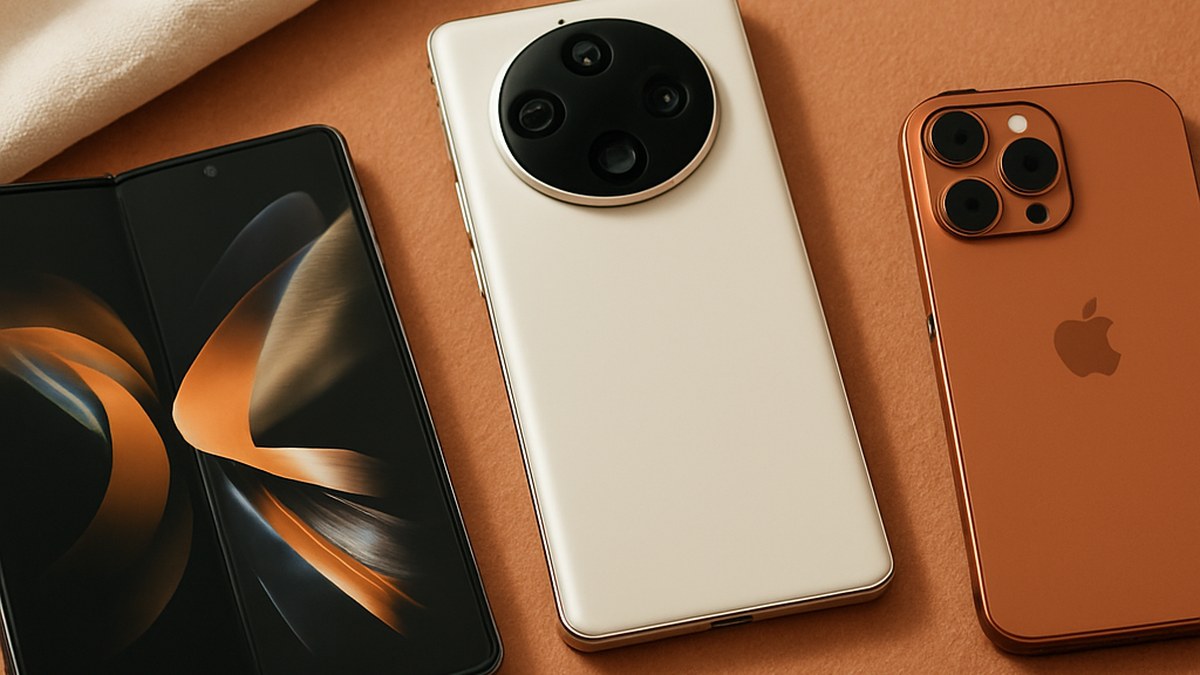
Apple, while still retaining an edge in video stabilization, finds itself in a fiercely competitive environment where its once-incontestable lead is now under scrutiny. The shrinking gap in performance and innovation indicates a fragmentation of the flagship race, presenting consumers with a wider array of choices tailored to specific needs and preferences. The implications of this shift suggest a future where diverse form factors and specialized functions could dictate the direction of smartphone evolution, challenging brands to continuously innovate.
Why It Matters
This shift in flagship dominance has significant implications for the smartphone industry at large. For manufacturers, it signals that innovation is no longer a linear path but a multifaceted pursuit, where success depends on a brand’s ability to cater to varied consumer desires. Samsung’s and Oppo’s achievements underscore the value of niche differentiation and bold technological advancements, pushing the boundaries of what’s possible in mobile design and functionality.
For consumers, this fragmentation in the flagship market offers an enriched choice spectrum. No longer are users confined to a one-size-fits-all solution. Instead, they can select devices that align more closely with their individual preferences, whether it be cutting-edge form factors, superior camera systems, or niche features tailored to specific use cases. This evolution challenges brands to innovate not just for innovation’s sake, but to meet the nuanced demands of a technology-savvy audience keen on personalizing their tech experiences.
The broader takeaway here is that the smartphone landscape is becoming increasingly competitive and consumer-driven. Apple’s once unassailable position as the default leader in innovation and market influence is being actively contested, forcing all players in the industry to rethink their strategies. As companies strive to capture market share, consumers stand to benefit from heightened competition, which promises faster technological advancements and more tailored device offerings in the years to come.
How We Approached This
In crafting this analysis, we prioritized a comprehensive review of the latest data, including insights from tech reviewers, industry analysts, and consumer feedback. Our focus was on identifying the unique elements of the Samsung Galaxy Z TriFold and Oppo Find X9 Ultra that set these devices apart in the current market. We sought to emphasize the innovations that have not only captured critical acclaim but also consumer interest, indicating a broader trend toward diversified smartphone capabilities.
We also considered the historical context of Apple’s leadership in the smartphone industry, providing a balanced perspective on how the latest shifts signify broader industry trends. Our methodology involved parsing through technical specifications, user reviews, and market performance metrics to present a well-rounded view of the evolving flagship landscape. This approach ensures our readers receive a thorough, informed analysis of why these developments matter and what they could mean for future innovations.
Frequently Asked Questions
What makes the Samsung Galaxy Z TriFold unique?
The Samsung Galaxy Z TriFold is distinguished by its innovative double-folding design, which allows it to function both as a compact 6.5-inch phone and a 10-inch tablet. Its aerospace-grade titanium hinge is engineered to endure 200,000 folds, making it a durable and versatile choice for users seeking both portability and expanded screen real estate.
How does the Oppo Find X9 Ultra compare to other flagship cameras?
The Oppo Find X9 Ultra excels in mobile photography with dual 200-megapixel sensors and superior zoom capabilities, surpassing competitors in Dxomark’s rankings. It offers enhanced image quality and versatility, appealing to photography enthusiasts and those who prioritize camera performance in a smartphone.
Is Apple’s influence in the smartphone market declining?
While Apple remains a significant player, its uncontested dominance is being challenged by competitors like Samsung and Oppo, who are introducing innovative features and form factors. This shift reflects a more competitive and diverse market, offering consumers more tailored choices to meet their specific needs.
Looking ahead, the smartphone industry is poised for even greater disruption and diversification. As brands like Samsung and Oppo continue to innovate and push boundaries, consumers can expect a wave of new features and capabilities that cater to an ever-broader range of preferences. The flagship race is no longer about a single winner but a spectrum of devices that redefine excellence in unique ways. This evolving landscape encourages all players to up their game, ensuring that the next few years will be an exciting time for tech enthusiasts and consumers alike.