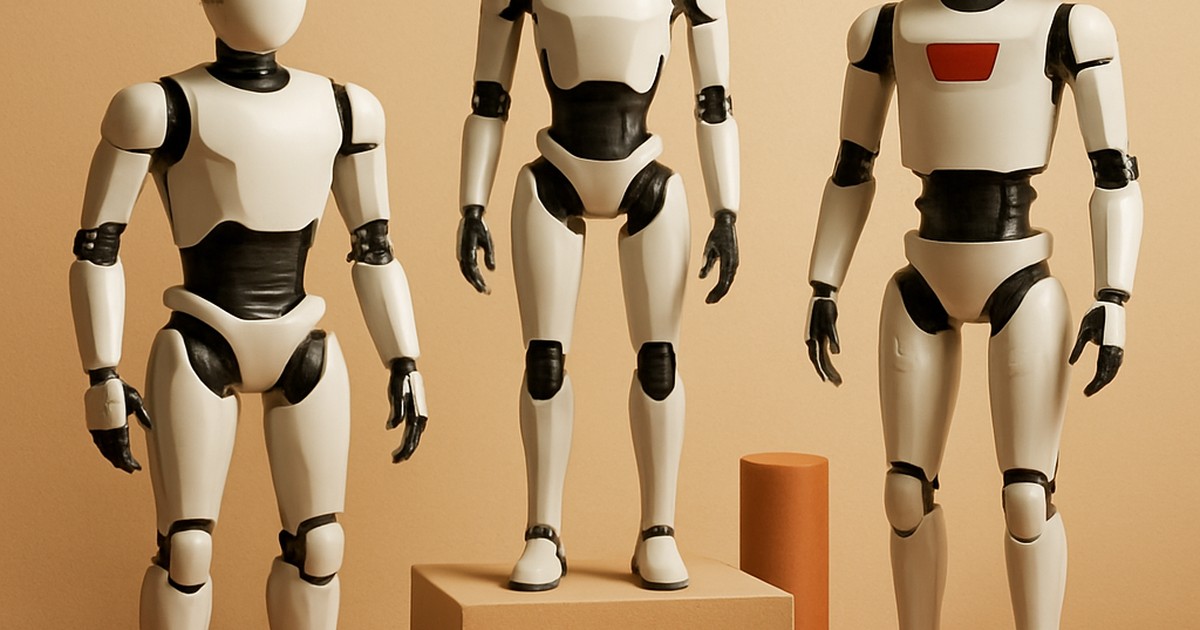
In the rapidly evolving world of humanoid robotics, 2026 marks a pivotal year where innovation meets reality. Leading this charge are the creme de la creme of humanoid robots, each excelling in its specific domain. Dominating industrial deployment is Figure 03 from Figure AI, which has proven its prowess at BMW’s Spartanburg plant. For consumers, the 1X Technologies’ NEO Home sets a new benchmark, distinguishing itself as the first humanoid to be distributed for household use in the U.S. The Tesla Optimus Gen 3 carves a niche based on its massive production scale and aggressive pricing strategy. This article delves into the technological advancements and strategic maneuvers that have propelled these robots from speculative concepts to tangible products reshaping industries and homes alike.
Context
The journey to this point in humanoid robotics has been a thrilling saga of technological advancement, market speculation, and relentless pursuit of innovation. Until recently, the field was largely characterized by ambitious prototypes and speculative launches. However, mid-2026 represents a tipping point where the hypothetical transforms into the operational. A few years ago, the question lingering in analysts’ minds was whether any company could successfully ship a humanoid robot. Today, not only are these robots shipping, but they are doing so in substantial quantities, with tangible use cases that impact both industry and everyday life.
Among the key players shaping this landscape is Figure AI with its Figure 03 model. This robot has been validated under rigorous industrial conditions at BMW’s production line, moving an astonishing 90,000+ parts and logging over 1,250 production hours. The company’s BotQ facility is now geared up to produce 12,000 units annually, underscoring its commitment to meet the burgeoning demand for industrial automation.
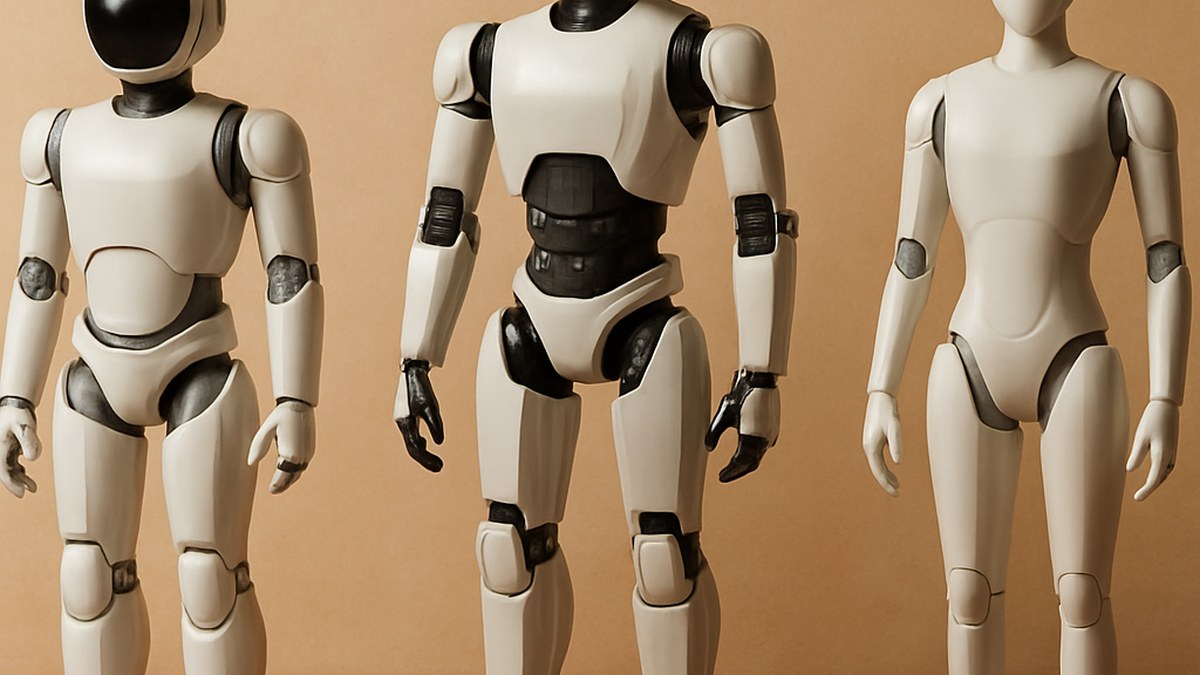
Meanwhile, in the consumer space, 1X Technologies’ NEO Home has achieved a significant milestone by becoming the first humanoid robot available to U.S. consumers. Priced at $20,000 and designed for domestic tasks, it represents a shift from industrial utility to personal companionship, marking a new era in consumer robotics. These developments are underpinned by the rapid advances in artificial intelligence, battery technology, and material science, which have collectively propelled the industry from speculation to substantiality.
What Happened
At the heart of this transformation is a series of strategic deployments and milestones that have set the stage for humanoid robots to enter mainstream use. Figure AI’s Figure 03 stands out for its successful deployment at BMW’s Spartanburg facility. This robot has not only demonstrated its ability to operate alongside human workers but has also exceeded expectations by moving over 90,000 parts and accruing more than 1,250 operational hours. The validation report following this deployment has solidified Figure 03’s position as the enterprise choice for industrial automation.
1X Technologies, meanwhile, has made waves in the consumer market with its NEO Home robot. This model is specifically tailored for household tasks and companionship, selling for $20,000. With production ramping up in their Hayward, California factory, 1X Technologies has positioned NEO Home as a pioneer in consumer-grade robotics, a significant leap from previous generations that were confined to novelty applications.
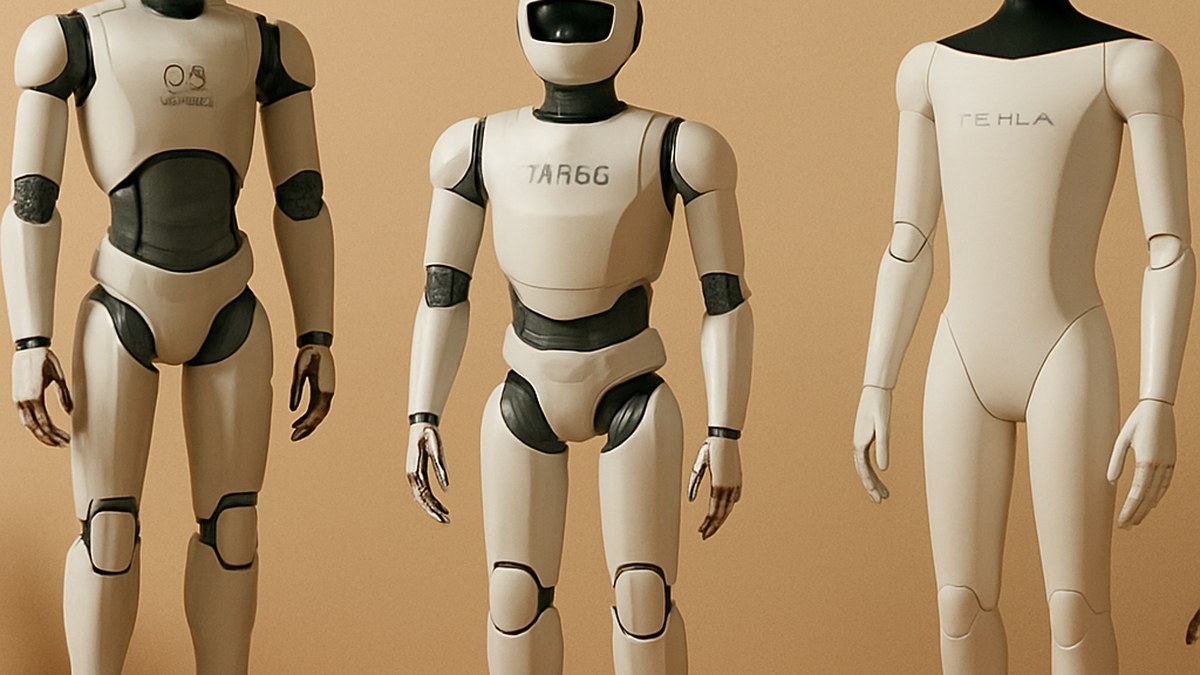
On a different scale, Tesla’s Optimus Gen 3 robot is setting new standards for production volume and pricing. With ambitious targets of producing between 50,000 and 100,000 units annually, Tesla aims to disrupt the market with a consumer price target of $20,000 to $30,000. This aggressive strategy is a testament to Tesla’s commitment to mass-market accessibility, mirroring its approach in the electric vehicle sector. The public release of these volume targets underscores a growing confidence in the scalability of humanoid robotics in everyday applications.
Why It Matters
The implications of these advancements in humanoid robotics are profound, heralding a new era in various sectors. For industries reliant on manufacturing, robots like Figure 03 enhance operational efficiency, reduce labor costs, and mitigate human error, all of which translate to increased productivity. This shift could reshape the workforce, emphasizing the need for skilled workers to oversee robotic operations, potentially leading to a rise in tech-centric job opportunities.
In the consumer market, the introduction of robots like the 1X NEO Home is set to revolutionize the way individuals interact with technology in their daily lives. By handling household chores and offering companionship, these robots could significantly impact lifestyles, especially for the elderly and disabled, who may benefit from the assistance and interaction these robots provide.
Tesla’s Optimus Gen 3 further signifies a pivotal change in the economics of robotics, promising affordability and scale that could democratize access to advanced robotic technology. This could lead to widespread adoption across various domains, including education, healthcare, and beyond, as more people and institutions can afford to integrate such technology into their operations. By driving down costs, Tesla is setting a precedent for other companies, catalyzing a competitive market that fosters innovation and broader accessibility.
How We Approached This
In crafting this analysis, we sourced information from industry reports, company announcements, and interviews with key stakeholders in the robotics field. Our approach is rooted in providing a balanced perspective that highlights both the technological prowess and the strategic maneuvers that define this new phase in humanoid robotics.
Ranked Daily’s focus on skimmability and opinionated ranking guided our emphasis on criteria such as operational success, market impact, and scalability. We chose to exclude speculative models that have yet to reach substantial deployment, maintaining our commitment to highlight robots that are actively shaping the market landscape today.
Frequently Asked Questions
What makes Figure 03 a top choice for industrial use?
Figure 03 excels in industrial environments due to its robust design and proven track record at BMW’s Spartanburg plant, where it moved over 90,000 parts. Its ability to integrate into existing workflows without significant disruption makes it the preferred choice for enterprises looking to enhance automation efficiently.
Why is 1X NEO Home significant for consumers?
The 1X NEO Home is significant as it marks the first humanoid robot to achieve broad consumer distribution in the U.S. Its design focuses on household tasks and companionship, priced at an accessible $20,000, which positions it uniquely in the market as both a practical and affordable option for domestic robotics.
How does Tesla’s Optimus Gen 3 impact the robotics market?
Tesla’s Optimus Gen 3 impacts the market by targeting mass production at unprecedented volumes, aiming for affordability with consumer price targets between $20,000 to $30,000. This strategy could democratize access to humanoid robots, promoting widespread adoption across various sectors and driving innovation through increased competition.
As we look towards the future, the humanoid robotics landscape is set to expand further, with innovations likely to accelerate as demand grows. The frontrunners highlighted in this article have laid the groundwork for a new era where humanoid robots are not just concepts but integral parts of our industrial and domestic environments. Remember, the question is no longer ‘if’ these robots will become part of our lives, but ‘when’ and ‘how’ we will fully integrate them into our daily routines.