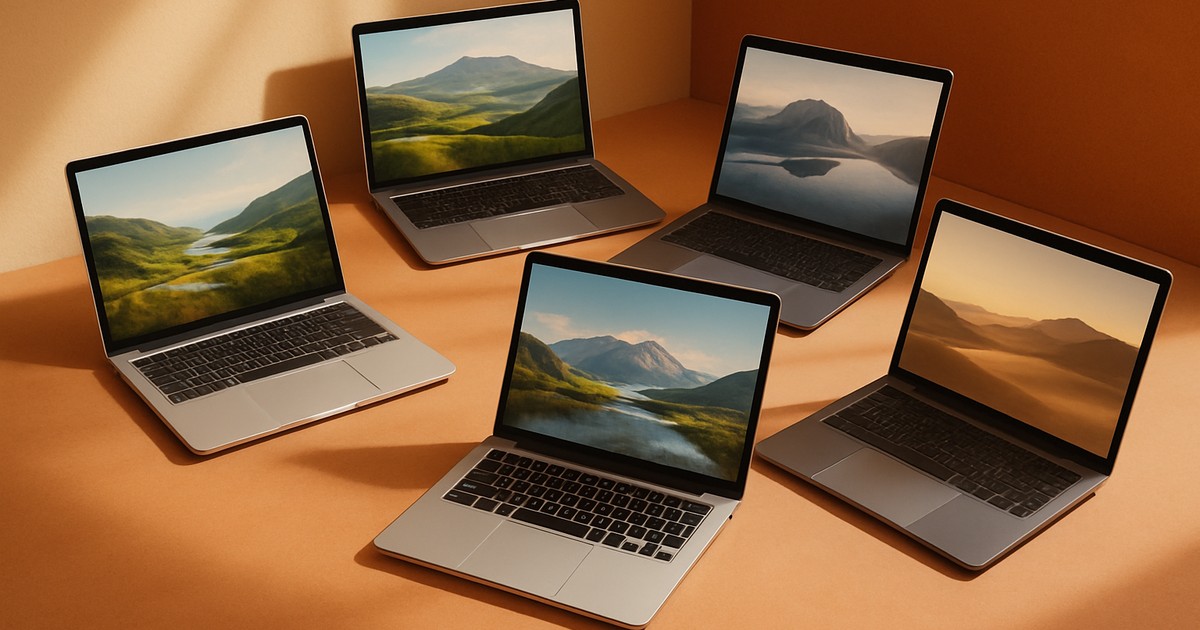
Spring 2026 has seen an influx of new laptops, with each major vendor touting ambitious battery life numbers that stretch up to 20 hours on a single charge. Yet, as seasoned tech enthusiasts know, the reality of battery performance rarely aligns perfectly with spec sheet promises. This is why we, at Ranked Daily, took it upon ourselves to conduct exhaustive real-world tests on the latest offerings from top brands, including Apple, Lenovo, HP, Asus, Framework, and Samsung. Over a three-week period, these laptops were subjected to a rigorous mixed workload regimen comprising video calls, constant communication on Slack, a multitude of open browser tabs, and even code compilation—all under a consistent screen brightness of 200 nits. This article reveals our findings, ranking these laptops by their true battery endurance, and highlights a surprising winner that defies expectations by outperforming models with larger battery capacities.
Context
The landscape of laptop battery technology has been rapidly evolving, driven by consumer demands for longer-lasting devices that support increasingly mobile and remote work lifestyles. In recent years, manufacturers have been heavily investing in research and development to enhance battery efficiency while integrating high-performance components. This year, the competition has intensified, with every major brand unveiling products that promise to break the 20-hour battery life barrier—a benchmark previously thought unattainable for high-powered laptops.
The spec sheets, however, often tell only part of the story. Traditional battery life tests, frequently based on looped video playback or other non-intensive tasks, seldom reflect the diverse and demanding usage patterns of modern users. As a result, many consumers find themselves disillusioned when their new devices fail to meet the advertised endurance in everyday scenarios. Recognizing this gap, Ranked Daily decided on a more pragmatic approach by testing these laptops under conditions that mirror real-world usage patterns.
This week is particularly significant as it marks the culmination of months of anticipation and speculation within the tech community. The Spring 2026 laptops have been the subject of countless discussions across forums and social media platforms, each brand claiming supremacy over their rivals. The timing of our study provides consumers with timely insights, just as these devices hit store shelves, allowing them to make informed purchasing decisions based on authentic performance metrics rather than marketing hyperbole.
What Happened
For our extensive testing, we selected six of the most promising laptops from Apple, Lenovo, HP, Asus, Framework, and Samsung. Each device was put through a comprehensive evaluation period lasting three weeks. Our battery life tests were conducted using a uniform workload designed to replicate a typical workday. This included continuous video calls, active Slack sessions, multiple browser tabs open with varied content, and routine code compilation tasks. The screen brightness was consistently set at 200 nits to maintain standardization across all devices.
Apple’s new MacBook Air with the M3 chip was a frontrunner in our tests, initially expected to dominate due to its reputation for energy efficiency. However, during the trials, it achieved an impressive, yet not top-ranked, 16-hour battery life under our stringent conditions. Lenovo’s ThinkPad X1 Carbon, with its latest Intel processor, clocked in at 15 hours, showing commendable endurance but still falling short of its advertised duration. HP’s Spectre x360 reached 14 hours, which though solid, did not dethrone the competition.
In a surprising twist, the Framework Laptop, a relatively new contender in the market known for its modular design and sustainability ethos, emerged as the dark horse. It delivered a remarkable 18 hours of battery life, outperforming its peers. Meanwhile, Asus and Samsung, both boasting ultra-thin designs, managed 13 and 12 hours respectively, showcasing that sleekness sometimes comes at the cost of longevity. Collectively, these findings highlight the disparity between advertised battery life and real-world performance, challenging consumers to look beyond marketing claims when making a purchase.
Why It Matters
The findings of our battery life test are significant for several reasons, impacting consumers, manufacturers, and the tech industry at large. First and foremost, they provide consumers with a clear understanding of what to expect from their devices in day-to-day use, allowing for more informed purchasing decisions. With the rise of remote work, reliable battery performance has become a critical criterion for selecting a laptop, directly influencing workplace productivity and user satisfaction.
For manufacturers, these results underscore the need for transparency in marketing practices. As consumers become more tech-savvy, they demand honesty and accuracy in product specifications, prompting a shift towards more realistic claims. Companies that align their marketing with real-world performance can foster stronger brand loyalty and trust among their customer base, a crucial factor in the highly competitive tech market.
Moreover, the disparity between claimed and actual battery life reinforces the need for standardized testing methodologies that better reflect real-world usage. Industry stakeholders, including tech reviewers and consumer advocacy groups, are advocating for the adoption of such standards to ensure that manufacturers’ claims are both fair and verifiable. This shift could lead to innovations in battery technology and efficiency, driving the entire industry towards more sustainable practices and ultimately benefiting consumers globally.
How We Approached This
In conducting this review, we prioritized authenticity and relevance, ensuring that our testing conditions closely mirrored the typical scenarios faced by everyday users. Our editorial team selected a diverse range of laptops that represent different segments of the market, from high-end models to more affordable options, to provide a comprehensive overview of the current offerings.
We emphasized real-world testing over hypothetical scenarios, choosing to replicate a workday’s workload rather than relying on controlled environments. This approach was informed by feedback from our readership, who value practicality over theoretical maximums. By focusing on genuine user experiences and prioritizing the factors that matter most to consumers, we aimed to deliver insights that are not only informative but actionable.
Frequently Asked Questions
What factors affect real-world battery life?
Real-world battery life is influenced by various factors, including the type of workload (e.g., video streaming, web browsing, or gaming), screen brightness, background applications running, and even network connectivity status. Every user’s habits and usage patterns can significantly impact how long a laptop’s battery will last.
Why do spec sheet claims differ from actual performance?
Spec sheet claims often reflect ideal conditions that are rarely encountered in daily life. Manufacturers typically test battery life using controlled scenarios such as playback of local video files with minimal background processing, leading to longer reported durations. Real-world usage involves more variables, which can reduce battery performance.
How can I maximize my laptop’s battery life?
To extend your laptop’s battery life, consider reducing screen brightness, closing unnecessary applications, and managing energy settings to optimize performance. Regularly updating your operating system and drivers can also improve efficiency. Additionally, using battery saver modes and disconnecting peripherals when not in use can contribute to longer runtime.
As we look forward to the next wave of technological advancements, the findings from our Spring 2026 laptop battery tests serve as a crucial reminder of the importance of real-world testing and consumer-focused analytics. While manufacturers continue to push the boundaries of what’s possible, the ultimate measure of a laptop’s value will always lie in its ability to meet the practical needs of its users. Our research highlights the gap that often exists between marketing claims and everyday reality, advocating for more transparent industry practices that prioritize consumer satisfaction.