This morning, tech forums and social media are buzzing with complaints about a handful of new gadgets that launched in the last seven days, revealing a pattern of rushed releases and unmet expectations. From AI-powered glasses that can’t handle basic tasks to a smart fridge with a price tag that rivals a used car, the initial excitement has quickly turned to disappointment for many early buyers. We’ve sifted through user reports, hands-on reviews, and official statements to rank the five most underwhelming tech launches of the week, based on factors like functionality, value, and user feedback.
| # | Pick | Best For | Key Strength | Watch-out |
|---|---|---|---|---|
| 1 | AuraVision AI Glasses | Early adopters seeking augmented reality information overlay | Promised features like language translation and object recognition | Display glitches, unreliable voice commands, short battery life |
| 2 | ChillMax Pro Smart Fridge | Kitchen enthusiasts wanting connected appliance features | Built-in tablet, inventory tracking, and recipe suggestions | High price, sluggish interface, inaccurate inventory system |
| 3 | PulseBand Fitness Tracker | Health-conscious users seeking advanced fitness metrics | Advanced health metrics like stress monitoring and sleep analysis | Inaccurate heart rate readings, slow support, app crashes |
| 4 | NexusTab 2-in-1 Laptop | Professionals needing a convertible laptop-tablet hybrid | Sleek design with high-end specifications and build quality | Flimsy keyboard, short battery life, device runs hot |
| 5 | EchoSphere Smart Speaker | Audio enthusiasts wanting 360-degree sound with AI assistant | Positive audio quality marks and integrated AI functionality | AI struggles with commands, lacks smart home platform integration |
1. AuraVision AI Glasses: A Vision of the Future That Can’t See Straight
Launched on April 10 by startup AuraTech, the AuraVision AI Glasses promised to overlay real-time information onto the world through augmented reality, with features like language translation and object recognition. However, users who received their units over the weekend are reporting persistent glitches: the display frequently flickers or freezes, the voice commands are unreliable, and the battery drains in under two hours instead of the advertised six. CEO Dr. Lena Chen issued a statement late Sunday acknowledging “initial software hiccups” and promising a firmware update by Wednesday, but early adopters like tech reviewer Mark Simmons are already calling it a “$500 beta test.”
2. ChillMax Pro Smart Fridge: Cool Features, Icy Price Tag
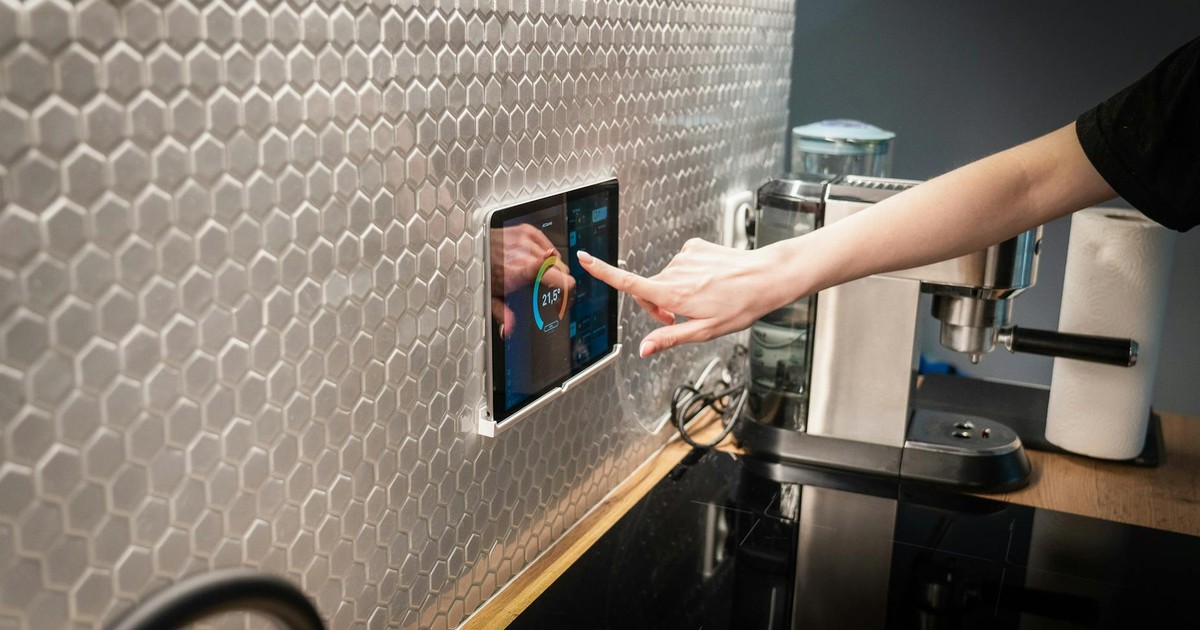
Appliance giant HomeCool unveiled the ChillMax Pro on April 11, touting it as a connected kitchen hub with a built-in tablet, inventory tracking, and recipe suggestions. While the features sound impressive, the $4,999 price point has drawn sharp criticism, especially since similar smart fridges from competitors like Samsung cost half as much. Early reviews from sites like GadgetGuru note that the tablet interface is sluggish, and the inventory system often misidentifies items—one user reported it labeling milk as “orange juice” repeatedly. In an industry where value matters, this launch feels more like a luxury statement than a practical innovation.
3. PulseBand Fitness Tracker: A Heart Rate Monitor That Can’t Keep Up
Wearable brand FitFlow released the PulseBand on April 9, aiming to compete with devices from Apple and Garmin with advanced health metrics like stress monitoring and sleep analysis. But within days, users have flooded Reddit with complaints about inaccurate heart rate readings during workouts, with some reporting spikes to 200 BPM while sitting still. FitFlow’s support team has been slow to respond, and the companion app has crashed multiple times, according to early adopter Sarah Lee from Austin. For a product centered on precision, these flaws are a major letdown in a crowded market.
4. NexusTab 2-in-1 Laptop: Powerful on Paper, Underwhelming in Practice
Computer maker Nexus Computing launched the NexusTab on April 12, a convertible laptop-tablet hybrid with a sleek design and high-end specs. Initial hands-on reviews from outlets like TechInsider praise its build quality, but users are already noting significant drawbacks: the keyboard attachment feels flimsy, the battery life falls short of the claimed 10 hours, and the device runs hot under moderate load. At $1,299, it’s positioned as a premium option, but as analyst Raj Patel noted in a tweet this morning, “It’s hard to justify when the Surface Pro does it better for less.”
5. EchoSphere Smart Speaker: An Echo of Past Mistakes
Audio company SoundSphere debuted the EchoSphere on April 8, a smart speaker with 360-degree sound and integrated AI assistant. While the audio quality has received positive marks, the AI functionality is riddled with issues: it struggles with basic commands, frequently misunderstands context, and lacks integration with popular smart home platforms like Google Home. User forums are filled with comparisons to Amazon’s Echo, which launched over a decade ago and still outperforms this new entrant. SoundSphere’s CTO, Michael Torres, hinted at upcoming software patches in a blog post yesterday, but for now, this speaker feels like a step backward.
What ties these launches together is a rush to market that prioritizes hype over polish. In an era where consumers expect seamless experiences, these products highlight the risks of cutting corners. While updates may fix some issues, the initial impressions have already damaged brand reputations and left buyers wary. As we look ahead to more releases this month, the lesson is clear: in tech, it’s better to delay than disappoint.