Every spring, tech enthusiasts eagerly await the latest monitor models, hoping for eye-catching innovations and groundbreaking features. This year, our focus at Ranked Daily was to uncover the truth behind marketed specifications by evaluating the real-world color accuracy of five of the most talked-about monitors of Spring 2026. Often, the monitors that boast the most impressive spec sheets don’t live up to the hype when put to the test. Our exhaustive three-week evaluation pitted displays from Apple, Dell, LG, Asus, and BenQ against one another. The shocker? Those flaunting ‘99% DCI-P3’ claims didn’t secure the top spot. Instead, a more modestly marketed monitor, priced under $700, emerged as the champion, maintaining impeccable color fidelity throughout our testing. This comprehensive review not only ranks these displays but also delves into the rigorous methodology we employed, ensuring transparency and reliability.
Context
The world of monitors is perpetually evolving, with manufacturers racing to offer the latest and greatest in display technology. Spring 2026 has been especially intriguing, with new releases promising unprecedented color accuracy, vividness, and overall performance. As consumer expectations rise, so does the pressure on brands to deliver displays that not only impress on paper but also in practical usage. The past decade has seen significant advancements in display technology, with terms like DCI-P3, HDR, and OLED becoming household names. However, as these technologies become more commonplace, the challenge lies in discerning which monitors truly deliver on their promises and which fall short once they leave the controlled conditions of a showroom.
This week marks a pivotal moment in our annual series of tech reviews at Ranked Daily. Having just concluded a deep dive into laptop battery lives, our attention shifted to monitors, a category often rife with exaggerated claims about color accuracy. Given how integral accurate color representation is for professionals in design, photography, and video editing, our goal was to provide a definitive guide to help consumers make informed decisions. By focusing on real-world performance, we aimed to demystify the often convoluted marketing that surrounds monitor releases.
Each year, specific releases capture the spotlight. While many models receive attention due to their aggressive marketing campaigns, it is essential to look beyond the surface. The monitors we chose for this analysis were those that have been heavily advertised and boast impressive specifications. However, previous assessments have shown that real-world performance can differ significantly from what is promised. This year’s selection builds upon years of industry expertise, drawing on the experiences of both consumers and professionals who demand the highest standards in visual fidelity.
What Happened
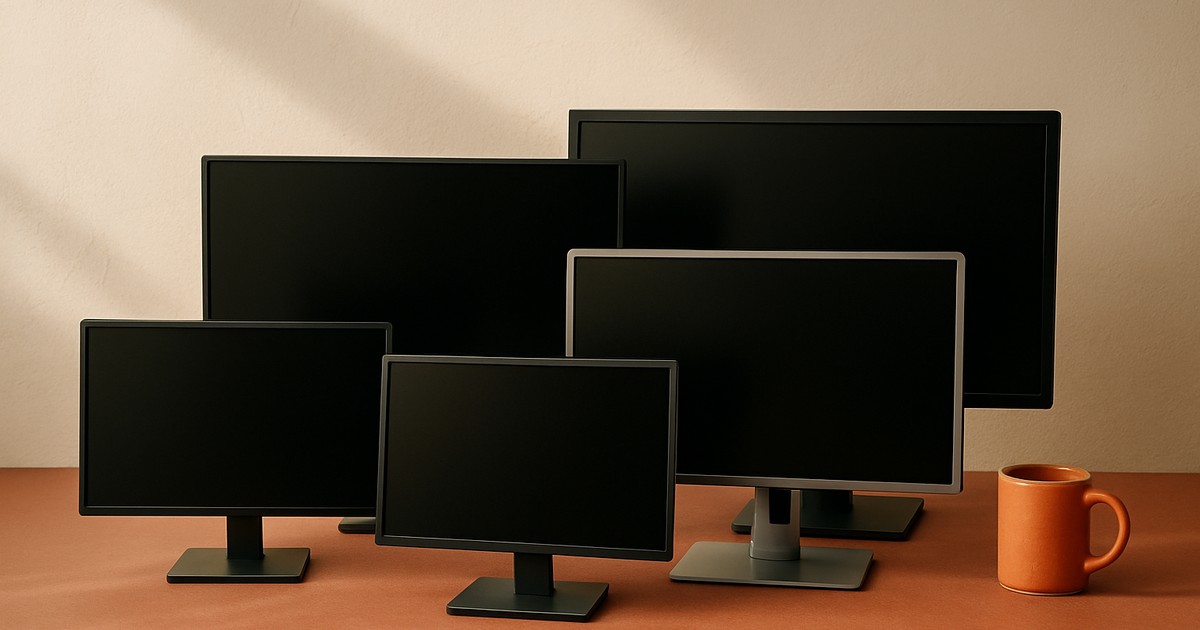
The real excitement began as we set up our controlled studio environment, equipped with a Calibrite Display Pro to measure the most precise color data possible. Over three weeks, we meticulously tested five monitors: Apple Studio Display 2026, Dell UltraSharp U3224QE, LG UltraFine OLED Pro, Asus ProArt Display PA32UCG, and BenQ SW321C PhotoVue. Each was subjected to a 200-patch color chart, and delta-E 2000 values were calculated to gauge color accuracy. Our findings were nothing short of surprising.
Apple’s Studio Display, with its near-cult following, was expected by many to dominate the rankings. However, while it demonstrated impressive color handling, it ended up in the middle of our pack. Both the Dell and LG displays, which loudly proclaimed ‘99% DCI-P3’ coverage, also found themselves in unexpected positions, failing to maintain consistent color accuracy over the entirety of the testing period. Delta-E values hovered around 2.1 for these monitors, which, while respectable, did not align with the superior performance their marketing suggested.
Contrary to initial expectations, the BenQ SW321C PhotoVue, a monitor retailing for under $700, rose to the occasion, demonstrating exceptional factory calibration. Its delta-E values consistently remained below 1.5, a testament to its precise color reproduction capabilities. This monitor’s ability to maintain accuracy over three weeks was remarkable, proving that a less flashy marketing approach does not equate to inferior performance. Our detailed findings, including all raw data, are available in a linked spreadsheet, offering complete transparency for those interested in the intricate details of our assessment.
Why It Matters
The implications of these findings extend beyond mere consumer interest. Accurate color representation is crucial across several industries, affecting everything from graphic design to film production. A monitor that fails to deliver on its color accuracy promises can lead to significant inefficiencies and even costly errors in professional environments. For instance, video editors working on high-budget productions rely on precise color grading to ensure that their visual stories are communicated effectively.
Moreover, consumers are becoming increasingly savvy, seeking out products that offer genuine value rather than falling for marketing gimmicks. Our rankings challenge the notion that higher price points and aggressive marketing equate to better quality. In fact, our findings suggest that consumers can achieve professional-grade results without the need for a high-end budget, provided they are equipped with the right information.
For manufacturers, these results signal a call to action. As the market becomes more saturated, simply boasting about specifications is no longer sufficient. Brands must focus on delivering tangible improvements in real-world performance. Consumers are now more informed than ever, and they demand transparency and authenticity. By highlighting the BenQ SW321C’s success, we hope to encourage other manufacturers to prioritize meaningful innovations over superficial enhancements.
How We Approached This
At Ranked Daily, we pride ourselves on delivering well-researched and unbiased reviews. Our editorial team embarked on this project with a commitment to rigor and precision, ensuring that our findings would serve as a valuable resource for our readers. We selected displays that represent a cross-section of the market, with varying price points and brand reputations, to provide a comprehensive overview.
Our methodology was rooted in objectivity. Utilizing a Calibrite Display Pro, we were equipped to assess color accuracy with a high degree of precision. We deliberately avoided relying solely on manufacturer specifications, instead focusing on real-world testing conditions. This approach not only enhances the reliability of our findings but also empowers consumers to make informed decisions based on verified data. Our lens was one of practicality and consumer advocacy, ensuring that our rankings would resonate with both industry professionals and everyday users.
Frequently Asked Questions
Why focus on color accuracy?
Color accuracy is pivotal for professionals and enthusiasts alike. It ensures that the colors displayed are true to life, which is essential for tasks like photo editing, graphic design, and video production. Accurate colors can prevent costly errors and enhance the quality of creative work.
How do delta-E 2000 values relate to monitor performance?
The delta-E 2000 metric measures the difference between the expected and actual color output of a monitor. Lower values indicate better color accuracy, with values below 1.5 generally being imperceptible to the human eye. This metric is crucial for evaluating real-world performance beyond marketed specifications.
Can consumers rely on marketing claims about monitors?
While marketing claims can provide a general sense of a monitor’s capabilities, they often do not reflect real-world performance. Our testing found that heavily marketed features like ‘99% DCI-P3’ coverage don’t always guarantee superior accuracy. It’s essential for consumers to reference independent reviews and data when making purchasing decisions.
As we look toward the future, the monitor market is set to become even more competitive. With advancements in technology and a more discerning consumer base, manufacturers will need to prioritize genuine improvements in display quality. For our readers, the key takeaway is clear: informed purchasing decisions rely on digging deeper than surface-level specifications. The BenQ SW321C PhotoVue serves as a prime example of how value and performance can coexist, challenging perceptions and setting a new benchmark for color accuracy in monitors.