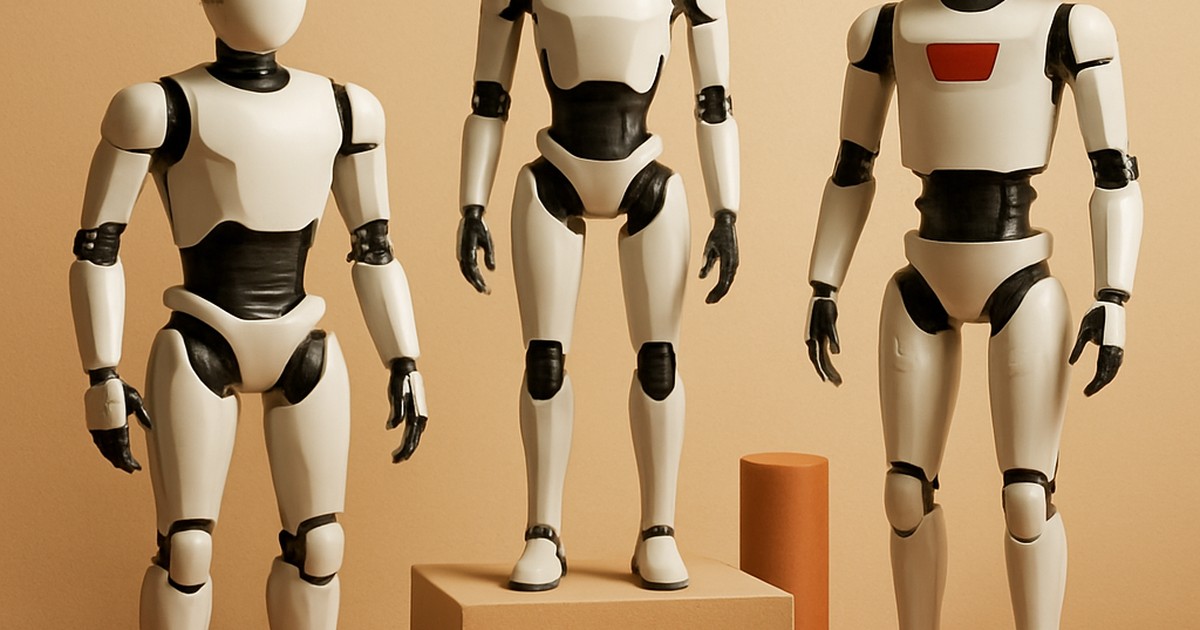
In a groundbreaking moment for consumer robotics, two distinct visions for the future of home automation have emerged this month. The 1X Technologies’ NEO and Samsung‘s Ballie are pioneering products that embody fundamentally different philosophies about what a home robot should be. The NEO, with its humanoid form, is poised as an all-purpose household assistant capable of performing various tasks. Meanwhile, Ballie offers a more specialized, affordable experience as a mobile assistant integrated seamlessly with existing tech ecosystems. As these robots debut, they reignite the debate over the optimal path for robotic development: should you opt for a high-cost, versatile machine that promises future potential, or a low-cost, competent device that excels in doing a few tasks exceptionally well? As we explore this dichotomy, we will delve into the capabilities of each robot, their reception by consumers and experts, and what their launch means for the future of home robotics.
Context
The introduction of these consumer robots comes at a pivotal time in the history of technology, where the integration of artificial intelligence and robotics in everyday life is no longer a distant fantasy but a burgeoning reality. Previous attempts at consumer robotics have often met with limited success due to technological constraints and market readiness. However, advancements in AI, machine learning, and hardware design have paved the way for more sophisticated and accessible options. The players leading this charge, 1X Technologies and Samsung, bring their own strengths and market strategies to the table, each hoping to capture the imagination and wallets of tech-savvy consumers.
1X Technologies, a company known for its innovative approach to robotics, has invested heavily in developing the NEO. Standing at 5’6″, this humanoid is equipped with a vision-language-action model, enabling it to navigate and interact with complex, unstructured environments. This technology represents a significant leap forward, allowing the NEO to perform tasks that were previously unimaginable for consumer robots. Despite its impressive capabilities, the NEO faces challenges, particularly in its high cost and limitations when dealing with novel objects or multi-level homes.
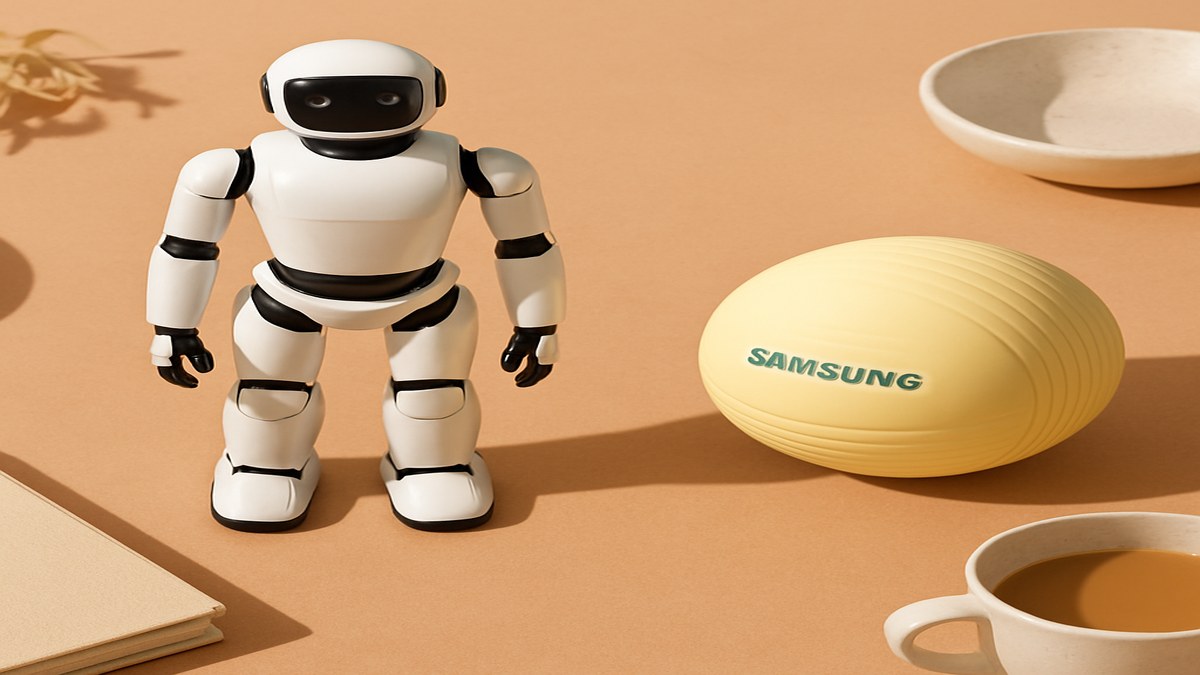
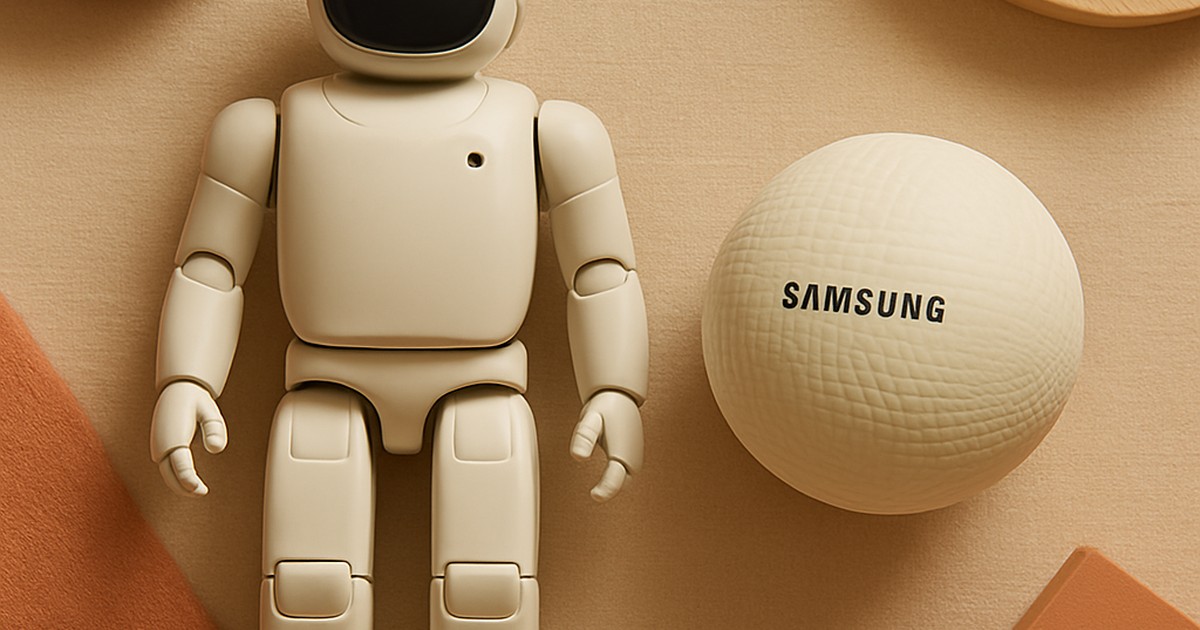
In contrast, Samsung’s Ballie represents a more incremental approach. Priced at just $1,300, Ballie is designed to be a versatile companion that leverages Samsung’s extensive ecosystem. It serves as a mobile projector, security camera, and personal assistant, all while maintaining a compact, unobtrusive form. Samsung’s strategy focuses on creating a reliable, easy-to-use product that integrates smoothly with other devices, ensuring a seamless experience for the user. This strategy seems to resonate with early adopters who value practicality and affordability over raw potential.
What Happened
The launch of the 1X NEO and Samsung Ballie this month has been met with significant attention from both technology enthusiasts and industry analysts. The NEO, available for $20,000 or via a subscription model at $499 per month, is marketed as a transformative addition to the household. Early reviews praise its ability to handle unstructured environments and complex tasks, a feat that sets it apart from previous consumer robots. However, reviewers have noted its struggles with certain tasks, like navigating staircases and adapting to completely new objects, which poses questions about its practical utility for the average user.
Samsung’s Ballie, in contrast, has been lauded for its reliability and the robust integration with Samsung’s ecosystem. As a rolling, ball-shaped device, Ballie offers unique features like acting as a mobile projector, security camera, and smart assistant. The $1,300 price tag makes it a more accessible option for consumers interested in dipping their toes into the world of home robotics without the commitment of a high-cost investment. Early sales figures indicate a strong preference for Ballie, underscoring a market inclination towards devices that are immediately useful and affordable.
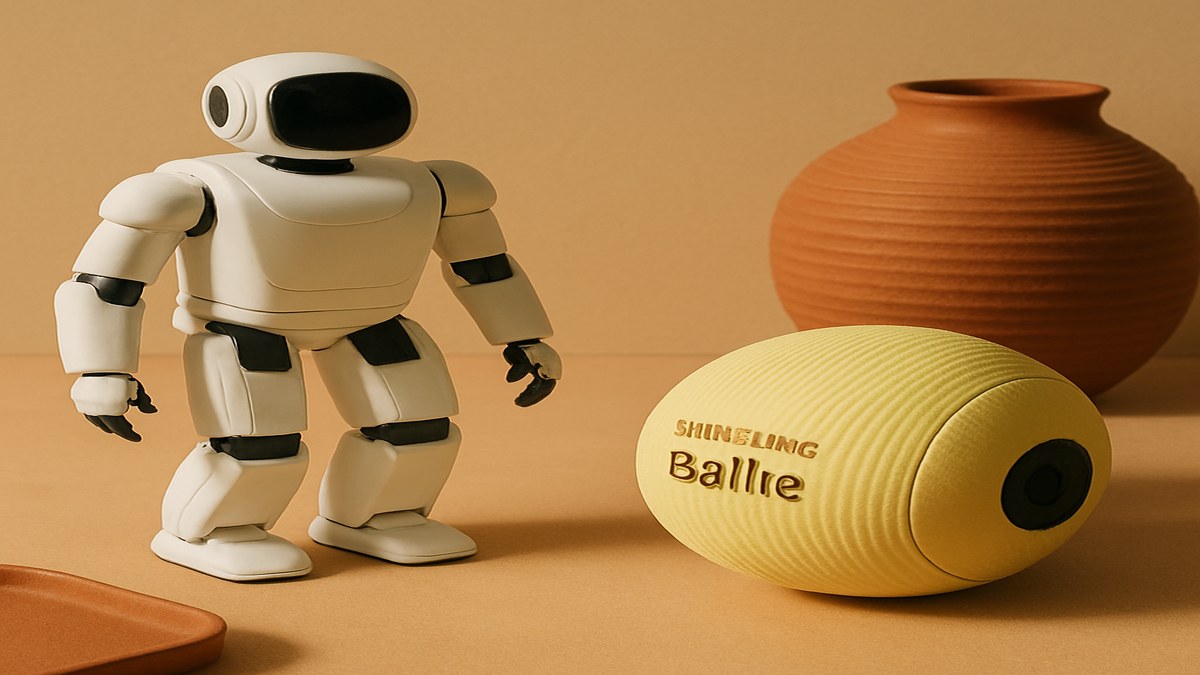
Industry experts suggest that these launches represent a fundamental shift in the consumer robotics landscape. While the NEO’s ambition is to serve as a versatile humanoid assistant, the market’s initial response highlights the challenges of introducing a complex product that still requires refinement. Conversely, Ballie’s simpler, more focused design has captured consumer interest by meeting immediate needs and fitting seamlessly into daily routines. This dichotomy underscores the ongoing debate between building for future potential versus current practicality in consumer technology.
Why It Matters
The arrival of these two robots signals a new era in consumer technology, one that could redefine how we interact with the devices around us and manage our daily lives. For the tech industry, this is a crucial moment that could set the direction for future developments in robotics and AI. The success or failure of these products could influence investment in similar technologies and shape the focus of research and development efforts across the field.
For consumers, the introduction of 1X NEO and Samsung Ballie offers a glimpse into a future where robots are integral to home life. These products challenge traditional notions of home assistance and open up new possibilities for convenience and efficiency in homes. NEO’s potential to evolve with software updates promises an ever-improving experience, although its current limitations highlight the complex challenges of creating truly autonomous robots. On the other hand, Ballie’s straightforward functionality presents an immediate enhancement to home life without overwhelming users with complexity or cost.
From a policy perspective, the advent of sophisticated consumer robots raises important questions about regulation, privacy, and ethics. As these devices become more prevalent, there will be a growing need to establish guidelines that address data security, user safety, and the ethical implications of AI-driven technologies. These considerations will be crucial in ensuring that the integration of robots into daily life remains beneficial and safe for all users.
How We Approached This
In evaluating the significance of the 1X NEO and Samsung Ballie, we at Ranked Daily considered various perspectives, including expert opinions, consumer feedback, and industry trends. Our focus was on providing a comprehensive overview that highlights the unique characteristics and implications of each product. We prioritized insights from early adopters and industry leaders to provide a balanced view of how these robots are reshaping consumer expectations.
Our editorial approach emphasizes the importance of understanding both the technological and practical aspects of these devices. We chose to highlight the broader impact of their launch on the consumer robotics landscape and the potential long-term effects on industry standards and consumer behaviors. This article aims to offer readers a nuanced understanding of the current state and future potential of home robotics.
Frequently Asked Questions
What tasks can the 1X NEO perform?
The 1X NEO is designed to handle a wide range of household tasks, including cleaning, organizing, and fetching objects. It utilizes a sophisticated vision-language-action model to interact with its environment, making it capable of adapting to unstructured spaces. However, it faces challenges with tasks that involve complex navigation, such as climbing stairs and identifying completely new objects.
How does Ballie integrate with other Samsung products?
Samsung’s Ballie is designed to seamlessly integrate with the brand’s existing ecosystem of smart devices. It can act as a mobile projector, security camera, and personal assistant, coordinating with other Samsung products to enhance user experience. Ballie’s integration capabilities allow it to control smart home devices, provide real-time notifications, and assist users with daily tasks, all while maintaining connectivity across Samsung’s platform.
Are these robots safe for home use?
Both the 1X NEO and Samsung Ballie have undergone rigorous testing to ensure they meet safety standards for consumer products. They are equipped with multiple sensors to navigate their environments safely and avoid obstacles and hazards. Additionally, manufacturers have implemented data security measures to protect user privacy, making these robots a safe addition to the home for everyday use.
As the market for consumer robotics evolves, the choices made by companies like 1X Technologies and Samsung will likely influence the direction of future innovations. While NEO and Ballie present contrasting visions for the future of home robotics, their debut highlights the growing interest and potential for AI-driven assistance in everyday life. As these technologies continue to develop, consumers can look forward to even more advanced solutions that promise to revolutionize the way we manage our homes and interact with technology.