In the bustling world of technology, where innovation often seems to leap forward at a blistering pace, it can be challenging to distinguish the flash-in-the-pan gadgets from those with real staying power. As April 2026 unfolds, tech enthusiasts and industry veterans alike are keenly observing which devices will stand the test of time and which will fade into obscurity. This month, the spotlight falls on two standout products: the tinyBook Flip, a novel foldable phone concept with a unique E Ink display, and the Tapo C460, a cutting-edge security camera designed for the smart home era. This article delves into the features, durability, and potential longevity of these gadgets, alongside five others, to understand which devices will capture not just our attention, but our long-term investment.
Context
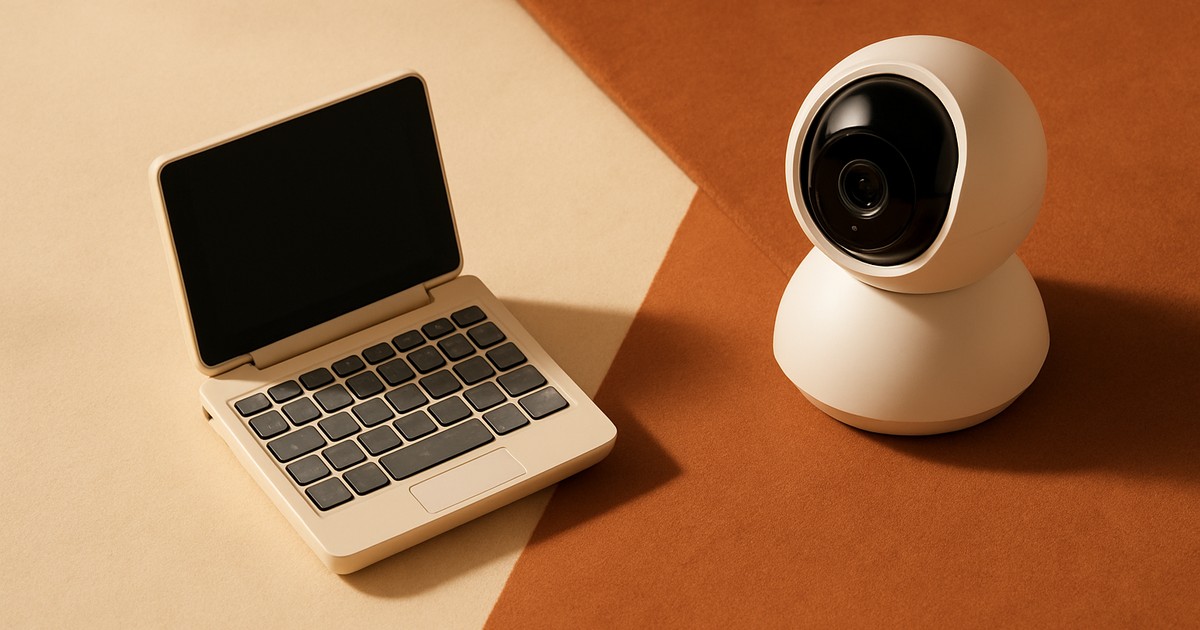
The tech landscape of 2026 is defined by rapid advancements and heightened consumer expectations. The demand for innovation, paired with a growing awareness of sustainability, has urged companies to create products that not only excite at launch but also offer enduring value. The tinyBook Flip and Tapo C460 are products of this environment, designed to meet modern needs in unique ways. The tinyBook Flip, with its foldable E Ink display, represents a shift towards more sustainable and eye-friendly technology. Its compact design, reminiscent of a folded notecard, positions it as a potential game-changer in mobile devices.
Meanwhile, TP-Link‘s Tapo C460 security camera addresses the burgeoning smart home market, offering a wireless, solar-powered solution with advanced 4K capabilities. As consumers increasingly seek convenience and security, the C460’s magnetic base and substantial battery life make it a compelling choice. Both products emerge in a market saturated with options, where longevity is becoming a crucial factor for consumers who want devices that will last.
April 2026 also witnesses a broader tech ecosystem grappling with the balancing act of innovation versus reliability. Prior launches have taught consumers to be wary of devices that promise much but deliver little beyond the initial hype. This year, we see a pivot towards gadgets that prioritize long-term use, with companies investing in technology that enhances durability and reduces electronic waste. These shifts in manufacturing and consumer preferences are setting the stage for a lineup of gadgets that promise to endure.
What Happened
April 2026’s gadget releases were marked by a notable emphasis on durability and practical design. The tinyBook Flip, debuting with a 6.1-inch E Ink display, captivated the market. Unlike traditional smartphones with their bright, battery-draining screens, the Flip’s E Ink technology promises significant energy savings and reduced eye strain. Its unique form factor, when folded, creates a compact, matte-white square, diverging from the usual smartphone aesthetics. Early reviews highlight its innovative approach to combining phone functionality with e-reader benefits, a blend that could redefine mobile device categories.
In parallel, the Tapo C460 security camera by TP-Link made significant waves in the smart-home sector. This 4K 8MP camera, featuring a magnetic base that eliminates the need for wiring, offers unparalleled installation flexibility. Its substantial 10,000mAh battery, optionally supported by a solar panel, ensures that power outages don’t compromise security. The camera’s ability to withstand various weather conditions further cements its place as a robust, reliable choice for homeowners. Reviewers have lauded it for combining cutting-edge technology with practical user-focused design.
These products headlined a week where the consumer tech landscape seemed to pause and recalibrate, focusing on longevity over mere novelty. Alongside the tinyBook Flip and Tapo C460, five other gadgets emerged, each offering unique strengths that cater to long-term use. The industry’s reassessment of what makes a device valuable is evident as these products align with current consumer desires for reliability and minimal environmental impact.
Why It Matters
The emphasis on durable gadgets like the tinyBook Flip and Tapo C460 reflects a broader industry trend towards sustainable technology. As environmental concerns rise, both manufacturers and consumers are becoming more conscious of the ecological footprints of their devices. By creating products that last longer, companies not only reduce waste but also enhance their brand reputation among eco-conscious consumers. This shift is not merely an ethical decision; it is increasingly seen as a competitive advantage in a crowded marketplace.
For consumers, the promise of longer-lasting gadgets translates to better return on investment. Devices like the tinyBook Flip, with its energy-saving display, offer cost savings over time through reduced energy consumption. Similarly, the Tapo C460’s efficient power management and renewable energy options align with the growing demand for sustainable living solutions. These features are particularly appealing in a market where consumers are wary of planned obsolescence and the high cost of frequently replacing tech.
The ripple effects of this focus on longevity extend to the broader tech industry, influencing research and development priorities. Companies are now incentivized to innovate in areas that extend product lifespans, such as battery technology, materials science, and software longevity. This shift could lead to breakthroughs that redefine durability standards across various tech sectors, ultimately benefiting both the planet and consumers’ wallets.
How We Approached This
In compiling this ranked list, we prioritized gadgets that offer not just innovation but also practical benefits and longevity. We relied on a mix of recent product reviews, consumer feedback, and expert insights to gauge the potential staying power of each gadget. Our editorial lens focused on identifying features that contribute to long-term value, such as energy efficiency, durability, and user satisfaction.
We intentionally highlighted products like the tinyBook Flip and Tapo C460 because they embody the intersection of advanced technology and sustainable design. By concentrating on these aspects, we sought to provide our readers with a clear understanding of which gadgets are likely to serve their needs well into the future. Our goal is to inform and guide, helping consumers make choices that align with both their technological desires and sustainability values.
Frequently Asked Questions
What makes the tinyBook Flip stand out from other foldable phones?
The tinyBook Flip distinguishes itself with its unique E Ink display, offering significant energy savings and reduced eye strain compared to traditional smartphones. Its compact, foldable design creates a near-square form factor, setting it apart visually and functionally, blending the best of phone and e-reader capabilities.
How does the Tapo C460 ensure reliable security without wiring?
The Tapo C460 leverages a magnetic base for easy installation and a 10,000mAh battery to maintain operations without direct wiring. Enhanced by an optional solar panel, it provides sustainable power solutions, making it a robust choice for maintaining security in various environments without reliance on the grid.
Why are durability and sustainability gaining importance in gadget rankings?
Durability and sustainability are becoming key considerations as consumers grow more aware of environmental impacts and seek greater value from their purchases. Long-lasting devices not only reduce electronic waste but also offer better cost-efficiency over time, aligning with the evolving priorities of eco-conscious and budget-savvy consumers.
As the tech industry continues to evolve, the emphasis on longevity and sustainability in gadgets like the tinyBook Flip and Tapo C460 signifies a pivotal shift in consumer demands and manufacturing priorities. These products, and others like them, are reshaping the landscape, steering both producers and consumers towards a future where value is measured by lifespan and impact. This trend is likely to accelerate, driving further innovation in sustainable design and long-lasting technology. With this focused outlook, consumers are better placed to invest in gadgets that not only meet their immediate needs but will also serve them reliably over the years to come.