
Introduction: Beyond the Sticker on the Window
Let’s be honest: for years, the home security industry sold peace of mind with a loud siren and a hopeful prayer. A burglar saw your yard sign, heard the alarm wail, and had a solid ten minutes to ransack your living room before anyone reacted. Today’s effective security is different. It’s about creating multiple, visible layers of deterrence that make your home a hard, high-risk target from the moment a would-be intruder steps onto your property. The goal isn’t just to alert you; it’s to stop the crime before it starts. We’ve ranked the top five systems moving beyond basic alarms to solutions that truly deter, balancing their proven effectiveness with how seamlessly they integrate into your daily life.
| # | Pick | Best For | Key Strength | Watch-out |
|---|---|---|---|---|
| 1 | The Smart DIY Starter Kit | Renters and tech-savvy homeowners on a budget | Visible cameras and signage deter burglars psychologically | Passive deterrence; relies on burglars not calling the bluff |
| 2 | The Professional Monitoring Powerhouse | Homeowners seeking classic, reliable security workhorses | Professional installation and guaranteed police response deter criminals | Reactive measures; acts only after a breach is attempted |
| 3 | The Integrated Smart Home Fortress | Those wanting deterrence through automation and illusion | Creates illusion of occupancy with smart devices to deter surveillance | Complex setup with potential points of failure and cybersecurity risks |
| 4 | The Proactive Video Verification System | Homeowners seeking real-time crime stopping with live intervention | AI analytics and live guards intervene immediately to stop threats | Premium pricing and requires strong, reliable internet connection |
| 5 | The Layered Defense Ecosystem | Those implementing unbeatable, multi-pronged security strategy | Combines perimeter, entry point, and interior layers to maximize deterrence | Custom project requiring research, compatibility checks, and higher budget |
5. The Smart DIY Starter Kit
Good for Renters & Tech-Savvy Homeowners on a Budget
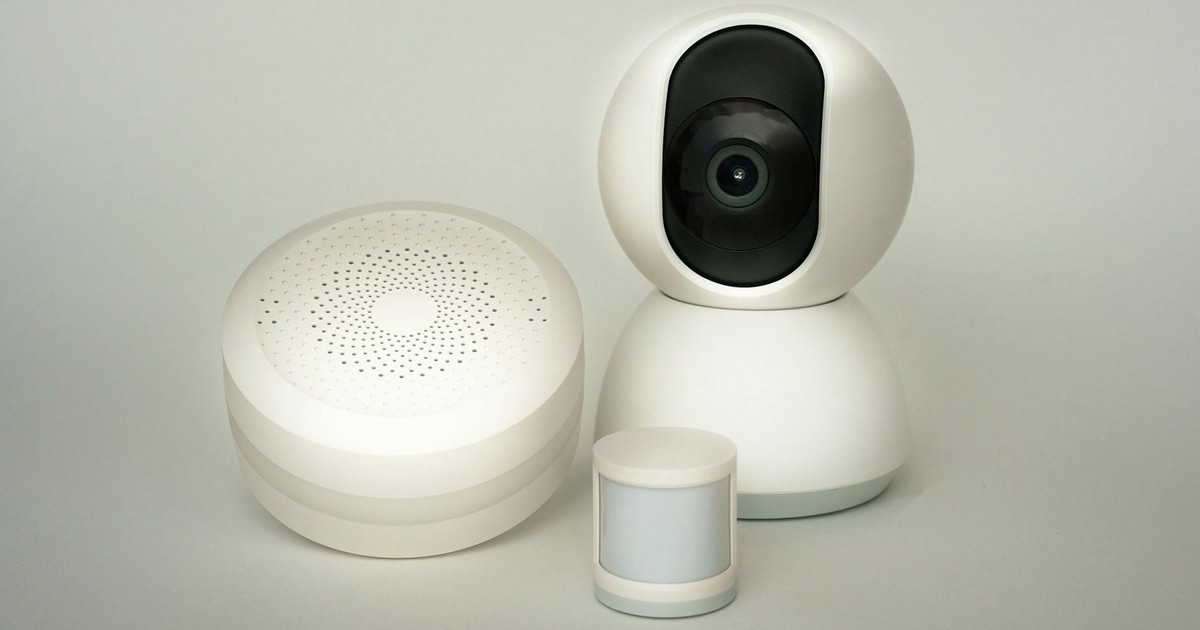
This category is dominated by modular systems from brands like Ring, SimpliSafe, and Google Nest. You buy a base station, a few sensors, and a camera or two, and set it up yourself in an afternoon. Their effectiveness as a deterrent hinges almost entirely on visible, well-placed cameras and signage.
Why It Deters: A study by the University of North Carolina at Charlotte found that burglars are most deterred by the presence of an alarm system, and outdoor cameras are a close second. A smart doorbell camera is a powerful psychological barrier; it forces a potential intruder to interact with a device that is actively recording them. The mere sight of a camera on the front door or a sensor on a window can be enough to make them move to an easier target.
Ease of Use: This is where these systems shine. Installation is typically tool-free, and management happens through an intuitive smartphone app. You get alerts, can view live feeds, and arm/disarm the system from anywhere.
The Caveat: The deterrence is somewhat passive. If a burglar calls your bluff (e.g., wears a hoodie, smashes the camera quickly), the system’s reactive nature—sounding an alarm and notifying you—kicks in. It’s a fantastic first layer, but not the most robust standalone solution.
- Top Pick: SimpliSafe. It offers professional monitoring as an affordable add-on, which significantly boosts its effectiveness.
- Best for Visibility: Ring Alarm with a Ring Floodlight Cam. The blinding light and two-way talk feature are incredibly confrontational for anyone lurking.
4. The Professional Monitoring Powerhouse
The Classic, Reliable Workhorse
Think ADT, Vivint, or local security firms. These are professionally installed, hardwired (or high-grade wireless) systems with 24/7 monitoring. When a sensor trips, a trained operator attempts to contact you and, if needed, dispatches police, fire, or medical services.
Why It Deters: The deterrence here is twofold. First, the professional installation often includes window decals and yard signs from a well-known, reputable company—a serious signal to criminals. Second, the guaranteed response is a major risk factor. Burglars want to avoid police contact at all costs; a system that guarantees that response is a formidable obstacle.
Ease of Use: Once installed, these systems are usually very straightforward for the homeowner: a keypad to arm/disarm. However, the installation process is invasive, contracts can be long-term, and monthly fees are the highest on this list. You’re trading DIY convenience for a set-it-and-forget-it, managed service.
The Caveat: These systems can be “dumb.” For years, they operated in a silo. Modern providers have integrated smart features, but the core deterrent—the monitored alarm—remains a reactive measure. It acts after a breach is attempted.
3. The Integrated Smart Home Fortress
Deterrence Through Automation & Illusion
This takes the DIY kit and the professional system and merges them into a holistic, automated ecosystem. It combines security sensors with smart lighting, smart locks, motorized blinds, and even smart speakers into a single, programmable platform like Apple HomeKit, Samsung SmartThings, or a high-end custom install.
Why It Deters: This system creates the illusion of occupancy and active management, which is a top deterrent. It’s not just one camera; it’s lights that turn on in a sequence at dusk, blinds that lower automatically, and a TV that turns on at 7 PM—all while the security system is armed. A burglar surveilling a home sees unpredictable activity, which suggests people are inside. This psychological layer, on top of physical sensors, makes your home seem alive and defended.
Ease of Use: The automation is the ultimate in ease—once it’s set up. Creating these intricate “scenes” and routines requires technical comfort and initial time investment. But once programmed, the home runs its own security theater seamlessly.
The Caveat: Complexity is the enemy of security. The more devices and platforms integrated, the more potential points of failure or cybersecurity vulnerabilities. It also requires a significant upfront investment in compatible devices.
2. The Proactive Video Verification System
Stopping Crime in Real-Time
This is the next evolution of professional monitoring. Companies like Deep Sentinel and some advanced offerings from traditional players use outdoor cameras with AI analytics, paired with live human monitoring. The AI doesn’t just detect motion; it distinguishes between a passing car, a delivery person, and a person lurking by your back gate with a crowbar.
Why It Deters: This is arguably the most powerful active deterrent short of a guard dog. When the AI identifies a credible threat, it instantly alerts a live guard in a security operations center. That guard can then view the live feed, speak directly to the intruder through an outdoor speaker (“You, in the black hoodie, you are being recorded. Police have been notified and are on their way.”), and dispatch law enforcement with verified evidence. This real-time human intervention stops most crimes in progress.
Ease of Use: For the homeowner, it’s incredibly simple. The system is professionally installed and managed. You get an alert on your phone with a video clip and a message that the situation is being handled. The heavy lifting—the deterrence—is done for you.
The Caveat: Premium service commands a premium price. Monthly fees are higher than standard monitoring due to the live guard component. It also requires a strong, reliable internet connection for the video uplink.
1. The Layered Defense Ecosystem
The Unbeatable, Multi-Pronged Strategy
The number one spot isn’t held by a single brand, but by a strategic approach that combines the best elements of all the above systems. This is a defense-in-depth strategy for your home, creating barriers from the perimeter to the interior.
Why It Deters: It addresses every stage of a burglar’s decision-making process (a concept called “Crime Prevention Through Environmental Design” or CPTED):
- Perimeter Layer (Deter): Well-lit yard, thorny bushes under windows, fences with gates. Makes the property seem difficult to approach unseen.
- Entry Point Layer (Detect): High-quality, visible cameras (like #5 & #2), motion-activated floodlights, and reinforced door/window hardware. Clearly shows the home is protected.
- Interior Layer (Delay & Respond): A professionally monitored alarm system (#4) with glass-break sensors, coupled with smart home automation (#3) that simulates occupancy. If breached, response is guaranteed and rapid.
This multi-layered approach systematically increases the burglar’s risk, effort, and time required, while minimizing their reward. It’s the ultimate psychological and physical barrier.
Ease of Use: This requires the most planning and investment. You might mix a DIY camera system for the perimeter with a professionally monitored alarm for the interior, and add smart plugs for automation. Managing multiple apps can be a hassle, though platforms like Google Home or Alexa can unify control.
The Caveat: It’s a custom project, not an out-of-the-box solution. It demands research, compatibility checks, and a higher overall budget spread across different products and services.
Conclusion: Your Best Defense is a Good, Visible Offense
Forget the silent, hidden alarm. The modern home security mantra is visibility and proactive response. The most effective systems don’t just wait for a break-in; they project an image of a hardened, attentive, and risky target from the street. Whether you start with a smart video doorbell (a strong step in the right direction) or invest in a live-verified surveillance system, the key is to create tangible, observable hurdles for any would-be intruder. Ranked by pure deterrence, the layered defense ecosystem is unbeatable. But for a perfect balance of effectiveness and ease of use, the Proactive Video Verification System stands out—it offers the powerful, real-time human intervention that stops crimes with minimal daily effort from you. Your peace of mind shouldn’t come after the alarm sounds; it should come from knowing the alarm will likely never sound at all.