
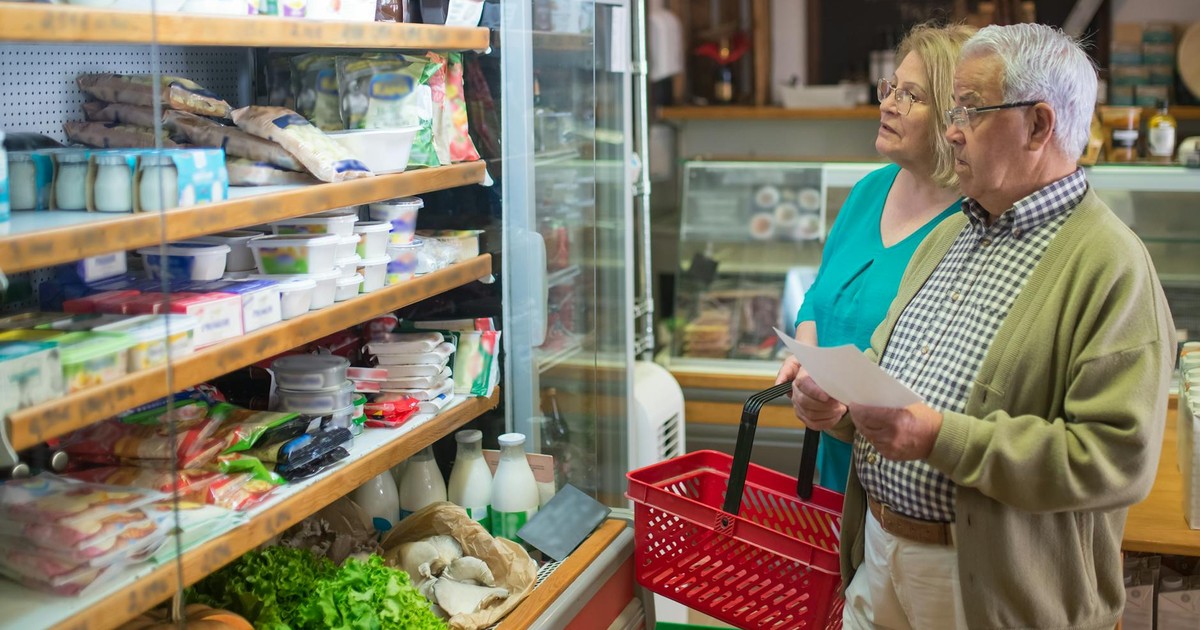
Introduction: The Battle at the Checkout
Let’s be honest: opening your bank statement after a big grocery run can feel like a jump scare. The price of eggs, the cost of a simple loaf of bread, the sheer existential dread induced by the total at the bottom of the receipt—it’s enough to make anyone want to live on instant noodles. But what if you could fight back without sacrificing quality or nutrition? Saving money on groceries isn’t about extreme couponing or eating bland food; it’s about smart, strategic shifts in how you shop. We’ve analyzed, tested, and ranked the most effective tactics based on the real monthly savings they can deliver to the average household. Get ready to transform your cart and keep more cash in your wallet.
| # | Pick | Best For | Key Strength | Watch-out |
|---|---|---|---|---|
| 1 | Master the Art of the Meatless Monday | Households looking to reduce meat consumption for savings | Uses inexpensive plant-based proteins like lentils and tofu | Requires planning for 2-3 meatless meals weekly |
| 2 | Become a Unit Price Detective | Shoppers who want to avoid overpaying for staples | Compares cost per unit to find the best value | Must watch for shrinkflation and misleading packaging |
| 3 | Design Your Menu Around the Weekly Flyer | Meal planners flexible with weekly ingredients | Builds meals based on current sale items for low costs | Requires checking flyers and adjusting meal plans |
| 4 | The Freezer is Your Financial Friend | Families with freezer space to buy in bulk | Preserves sale items and reduces food waste effectively | Needs organization to avoid freezer burn or clutter |
| 5 | Loyalty is for Dogs, Not Grocery Stores | Tech-savvy shoppers using apps and loyalty programs | Stacks digital coupons and cash-back for extra savings | Risk of overspending on name-brand items for rebates |
| 6 | Inventory & The Pantry Challenge Meal | Households with stocked pantries to reduce waste | Utilizes existing ingredients to shorten shopping lists | Requires regular inventory checks and creative cooking |
6. Master the Art of the Meatless Monday (or Tuesday, or Wednesday…)
Estimated Monthly Savings: $40 – $80
We’re starting with a hack that’s as good for your bank account as it is for your health. Animal proteins—chicken, beef, pork, fish—are consistently the most expensive items on your shopping list. By consciously planning for 2-3 plant-based meals per week, you can achieve significant savings. This isn’t about becoming a full-time vegetarian; it’s about strategic substitution.
Think in terms of bulk, flavor, and satisfaction. A pound of dried lentils or chickpeas costs a fraction of a pound of ground beef and can be transformed into hearty chili, savory curries, or protein-packed salads. Tofu and tempeh are versatile blank canvases. Even a simple pasta with a rich marinara and cannellini beans is both comforting and cheap. The savings compound because these pantry staples have long shelf lives, reducing waste. Beyond the direct cost, plant-based meals often require less cooking time and energy, adding a subtle secondary saving to your monthly budget.
5. Become a Unit Price Detective
Estimated Monthly Savings: $50 – $100
That big, bold price on the shelf is a distraction. The real truth lies in the tiny, often-ignored unit price label on the shelf tag below it. This shows the cost per ounce, pound, liter, or count. Ignoring it is like shopping blindfolded. Often, the larger package is cheaper per unit, but not always. Sometimes, a sale on a smaller size makes it the better deal. Your mission is to compare.
- Tool Up: Use your phone’s calculator if needed. Divide the total price by the number of units/ounces.
- Watch for Tricks: Be aware of “shrinkflation”—when the package size gets smaller but the price stays the same, making the unit price secretly rise.
- Apply Everywhere: This is crucial for staples: cereal, pasta, rice, canned goods, cheese, cleaning supplies, and yes, even toilet paper.
This habit takes seconds but builds a powerful, informed shopping mindset that prevents you from overpaying on virtually every item you buy.
4. Design Your Menu Around the Weekly Flyer
Estimated Monthly Savings: $60 – $120
Most people do this backwards: they plan their meals, then go shopping hoping the ingredients are on sale. Flip the script. Let the sales dictate your menu. Before you write your shopping list, spend 10 minutes browsing the digital flyers for your preferred stores (or the ones with the best loss leaders).
If chicken thighs are $1.99/lb, that’s your protein anchor. Build a meal around them. If bell peppers and onions are cheap, it’s fajita night. This “sale-first” planning does two things: it guarantees you’re buying the lowest-priced core ingredients of the week, and it introduces delicious variety into your diet as different items cycle through sales. It encourages you to try cuts of meat or types of fish you might normally skip. Pro tip: most sale cycles run Wednesday to Tuesday. Shopping early in the cycle ensures the best selection of advertised items.
3. The Freezer is Your Financial Friend
Estimated Monthly Savings: $80 – $150
Your freezer isn’t just for ice cream and frozen peas; it’s a powerful preservation tool that locks in low prices and prevents waste. This hack has two major components: buying in bulk and preserving perishables.
- Bulk Buy & Divide: When you find an exceptional sale on meat, bread, or even butter, buy as much as your freezer space allows. Portion meats into meal-sized packs before freezing. Freeze bread and bagels directly—they toast up perfectly from frozen.
- Stop Throwing Food (and Money) Away: Chop and freeze onions, peppers, and herbs about to turn. Freeze leftover tomato paste in tablespoon dollops on a tray. Bananas going brown? Peel and freeze them for smoothies or future banana bread. This practice alone can slash your food waste bill, which for the average family can be over $50 a month in tossed food.
A well-utilized freezer breaks the cycle of buying only what you need “right now,” allowing you to capitalize on low prices whenever you find them.
2. Loyalty is for Dogs, Not Grocery Stores (Unless They Pay You)
Estimated Monthly Savings: $100 – $200+
Gone are the days of simple punch cards. Modern store loyalty programs and cash-back apps are sophisticated tools that, when stacked, create a waterfall of savings. But you must be strategic and avoid their traps.
- Digital Coupons: Load them directly to your store loyalty card via the app. These are often targeted and can be combined with sale prices for double discounts.
- Cash-Back Apps (Ibotta, Fetch, etc.): Scan your receipt after shopping. They offer rebates on specific brands or categories. The key is to let these be a bonus on items you were already buying, not an incentive to buy name-brand items you don’t need.
- Credit Card Rewards: Use a cash-back credit card that offers bonus categories for groceries (often 2-3%). Pay it off in full every month to avoid interest that negates all savings.
This approach requires a few minutes of digital management per week, but the payoff is direct money back, not just vague points. It turns your essential grocery spending into a minor revenue stream.
1. The Ultimate Hack: Inventory & The “Pantry Challenge” Meal
Estimated Monthly Savings: $150 – $300+
The champion of grocery savings isn’t about buying more things cleverly; it’s about fully utilizing what you already own. Food waste and duplicate purchases are the silent budget killers. Before you even look at a flyer or make a list, you must conduct a thorough inventory of your fridge, freezer, and pantry.
Take stock. What’s hiding in the back? What’s nearing its date? Then, once a week, design at least one meal—the “Pantry Challenge” meal—solely from these existing ingredients. That half-bag of quinoa, can of black beans, jar of salsa, and block of cheese? Quinoa burrito bowls. The lonely chicken breast, wilting spinach, and leftover cream? A simple creamy spinach chicken pasta.
This practice has a massive compound effect. It drastically reduces waste, clears out clutter, and forces creative cooking. Most importantly, it shortens your shopping list every single week. You’re only buying what you truly need to supplement your already-stocked kitchen. This single habit, more than any other, attacks the grocery bill at its source by changing your relationship with the food you already possess.
Conclusion: Small Shifts, Big Savings
Saving money on groceries doesn’t require a radical lifestyle overhaul. It’s the cumulative effect of small, consistent, and smarter habits. Start by looking in your own pantry (#1), then plan around sales (#4), use your freezer as a tool (#3), and let technology like unit prices (#5) and apps (#2) work for you. Round it out with a few plant-based meals (#6) for good measure. Implement even three of these ranked strategies, and you could easily find an extra $200 or more in your pocket each month—money that can go toward debt, savings, or simply the peace of mind that comes from taking control of your budget. The checkout line doesn’t have to be a place of dread. Arm yourself with these hacks, and make it a place of victory.