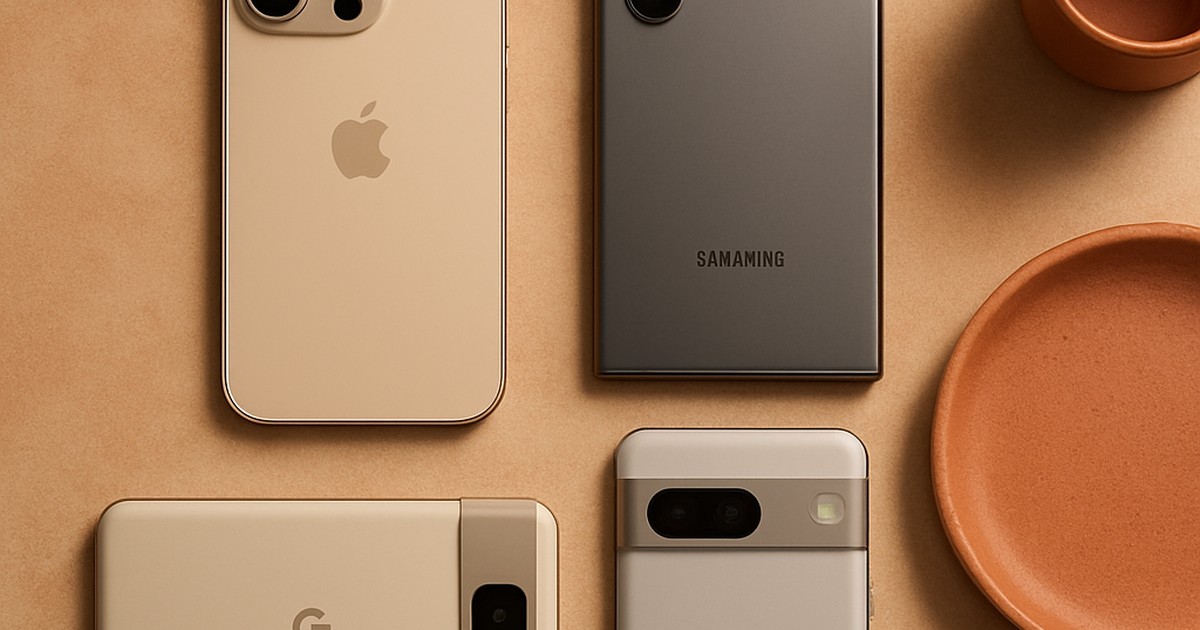
In April 2026, the smartphone landscape is more competitive than it has been in years, with no single device dominating the market. This month, three flagship models from Apple, Samsung, and Google are vying for the top position, each with compelling features that cater to different user profiles. TechRadar, Tom’s Guide, and Tech Advisor have split their top picks among the iPhone 17 Pro Max, Galaxy S26 Ultra, and Pixel 10 Pro XL respectively. This article will explore why each of these smartphones is deserving of its top spot and how a new contender, the Google Pixel 10a, offers incredible value at a fraction of the cost. We’ll also delve into the standout features of other category leaders, such as the Samsung Galaxy Z Fold 7, iPhone 17, and Nothing Phone 3, providing a comprehensive overview of the best smartphones available this month.
Context
The smartphone industry has always been defined by rapid innovation and intense competition, but April 2026 marks a particularly interesting point where three flagship devices share the spotlight. Apple, Samsung, and Google, the juggernauts of the smartphone world, have each released models that push the boundaries of technology and design. The iPhone 17 Pro Max, with its A19 Pro chip and groundbreaking tetra-prism telephoto camera, sets a new standard for photography enthusiasts. Meanwhile, Samsung’s Galaxy S26 Ultra boasts the Snapdragon 8 Gen 5 Elite processor and an industry-leading 200 MP camera, positioning itself as the ultimate choice for productivity and creative professionals.
Google’s Pixel 10 Pro XL, powered by the Tensor G5, excels in AI-driven features and low-light photography, offering users a seamless experience that marries hardware superiority with software excellence. What makes this time particularly significant is the fact that these devices offer comparable performances, making the decision less about technical superiority and more about personal preference and specific use cases. This parity among top-tier smartphones is something not seen in the past five years, where typically one brand had a clear edge in some aspect of performance or design.
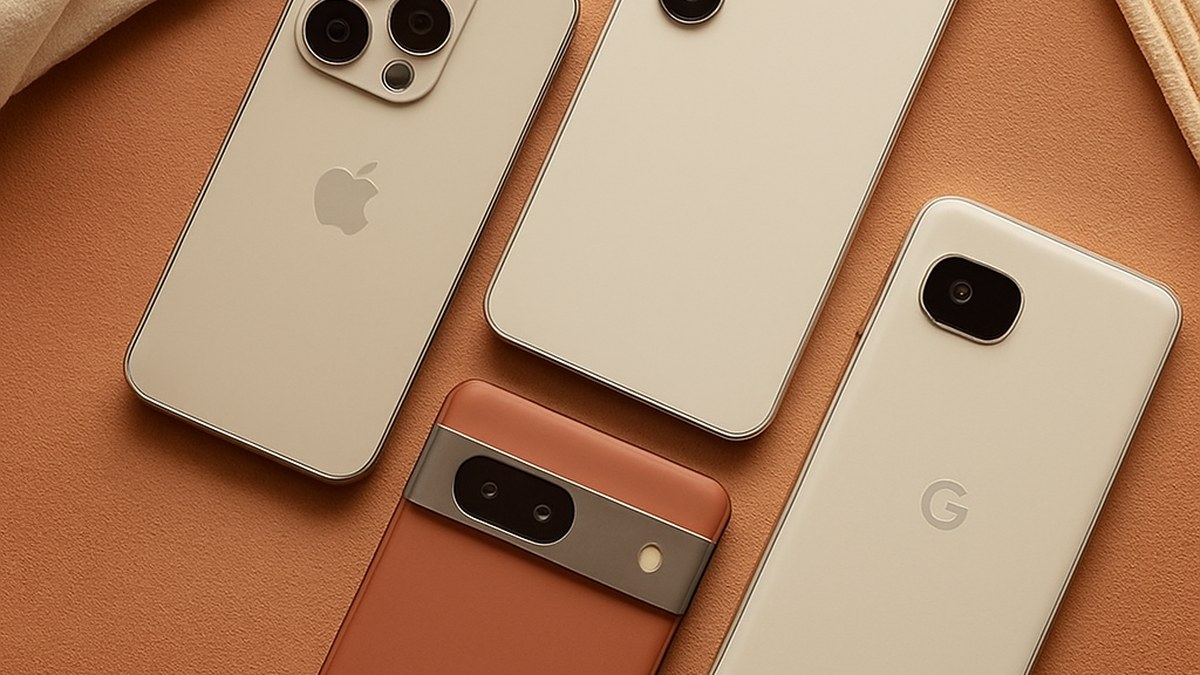
This year’s releases have been met with anticipation as each device caters to a refined segment of the consumer market. The question of which smartphone is the best is more nuanced, demanding a closer look at individual needs and preferences. The presence of a powerful, affordable option like the Pixel 10a further complicates the decision, providing excellent core features at a price that significantly undercuts the flagship models. This competitive landscape invites consumers to rethink priorities, be it cutting-edge features, overall value, or specific device capabilities.
What Happened
April 2026 witnessed a unique convergence in smartphone rankings from leading tech reviewers, reflecting the balanced competition among the premium devices. TechRadar awarded the iPhone 17 Pro Max the top spot, highlighting its A19 Pro chip’s raw performance and its 6.9-inch ProMotion 3 display with an impressive 4,000 nits HDR peak brightness. The phone’s tetra-prism telephoto camera, capable of 8x optical zoom, sets new benchmarks for mobile photography, especially for users seeking professional-level camera features.
Contrastingly, Tom’s Guide placed the Samsung Galaxy S26 Ultra at the pinnacle of its rankings, emphasizing the Snapdragon 8 Gen 5 Elite processor’s prowess and the S Pen’s seamless integration. The Ultra’s 200 MP camera system is touted as the best in any smartphone, especially appealing to users who prioritize camera quality above all else. This makes it an ideal choice for content creators and professionals who rely heavily on mobile photography and videography tools.
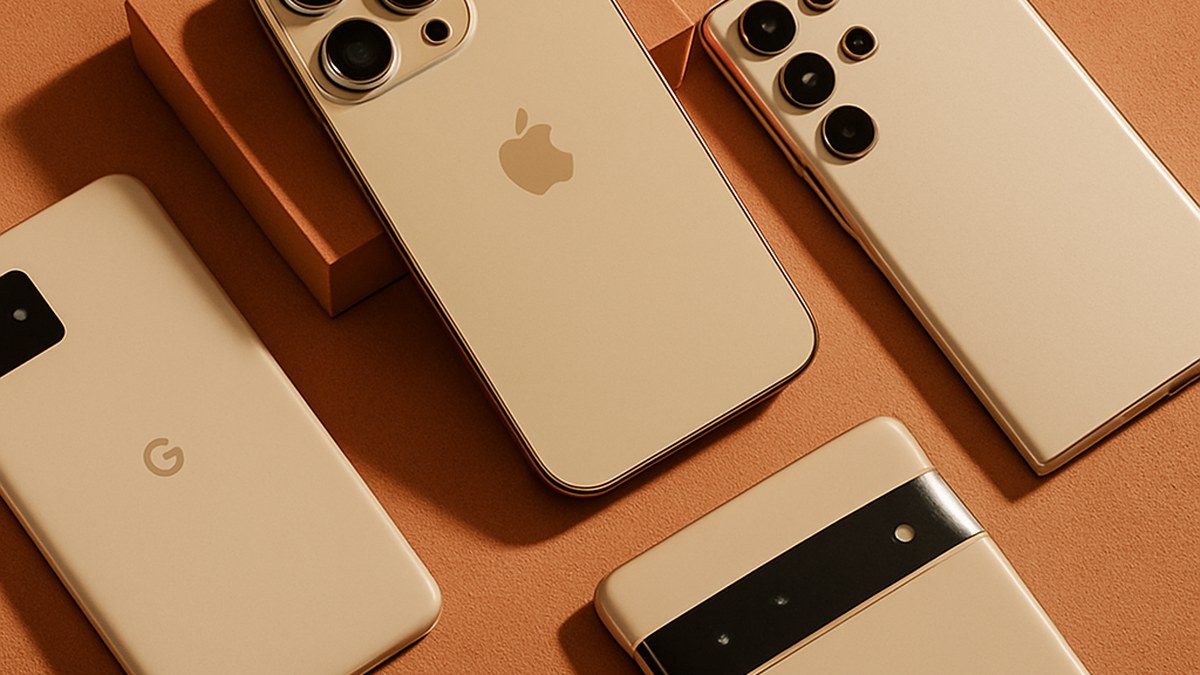
Meanwhile, Tech Advisor crowned the Google Pixel 10 Pro XL as its champion, focusing on the Tensor G5’s AI capabilities and the enhanced Night Sight 3 system. Google’s device outperformed its competitors in low-light conditions, delivering photos with superior detail and color accuracy. This makes it highly appealing to users who value an intelligent assistant and exceptional photographic capabilities in challenging lighting conditions. Each of these reviews underscores different strengths, illustrating that the choice of smartphone depends largely on specific user needs rather than a general consensus on performance superiority.
Why It Matters
The diversity in top smartphone rankings this April highlights a shift in consumer electronics where there is no single dominant player, indicating a maturation in the market. For consumers, this means more power to choose a device that fits their exact needs without compromising on quality. The presence of equivalently strong contenders fosters a competitive environment, ensuring that manufacturers continue to innovate and improve their offerings.
This competition is particularly significant for innovation. With companies vying for top spots based on different strengths—be it Apple’s focus on display and chip performance, Samsung’s camera technology and productivity features, or Google’s AI integration and low-light photography—consumers benefit from devices that are precisely honed to different aspects of smartphone use. This diversity ensures that no single brand can become complacent, driving industry standards upwards and benefitting consumers with each successive release.
Moreover, the Pixel 10a’s value proposition is crucial. By delivering high-end features at a mid-range price, Google challenges the notion that flagship experiences require a flagship price. This democratization of technology ensures broader access to powerful tools, allowing more consumers to enjoy the benefits typically reserved for the top-tier devices. As these market dynamics unfold, consumers can expect more personalized technology solutions that cater to evolving lifestyle needs, providing a richer array of choices than ever before.
How We Approached This
In compiling this feature, we analyzed the latest reviews and technical assessments from leading technology publications such as TechRadar, Tom’s Guide, and Tech Advisor. Our approach was to synthesize these findings into a cohesive narrative that highlights the distinct capabilities of each device while acknowledging the subjective nature of ranking preferences. Our editorial focus was on how these flagship models compare in terms of technological advancements, user experience, and market impact.
We chose to emphasize real-world performance metrics and qualitative user experiences over purely technical specifications. By doing so, we aimed to provide a more holistic view of what makes each device stand out in a crowded market. Our decision to include the Pixel 10a was driven by its unique position as an affordable device offering flagship-like features, reflecting a growing trend towards value-conscious consumerism in the tech world.
Frequently Asked Questions
What are the standout features of the iPhone 17 Pro Max?
The iPhone 17 Pro Max is notable for its A19 Pro chip and its 6.9-inch ProMotion 3 display. The display offers a peak brightness of 4,000 nits, which is excellent for HDR content. Additionally, its tetra-prism telephoto camera allows for 8x optical zoom, making it a top choice for those interested in professional-level photography.
How does the Samsung Galaxy S26 Ultra’s camera compare to others?
The Galaxy S26 Ultra features a 200 MP camera system, which is regarded as the strongest available in any smartphone. Its camera capabilities are particularly praised for capturing high-quality images and videos, making it ideal for content creators. The S Pen integration further enhances its productivity and creative potential.
Is the Google Pixel 10a really worth it?
Absolutely. At $500, the Pixel 10a offers the same Tensor G5 chip and primary camera sensor as the Pixel 10 Pro, along with a seven-year software update commitment. While it has a slightly thicker chassis and an LCD display, its performance and features make it one of the best value smartphones since the original iPhone SE.
As we move further into 2026, the smartphone market promises even more advancements in technology and design, with new releases and updates likely to keep the competition fierce. Whether you’re drawn to the high-end capabilities of flagship models or the exceptional value of mid-range options like the Pixel 10a, the choices available this year reflect a broader trend towards personalization and consumer empowerment in tech. It’s a great time to be a smartphone enthusiast, with more options than ever before to find the perfect device that meets your specific needs.