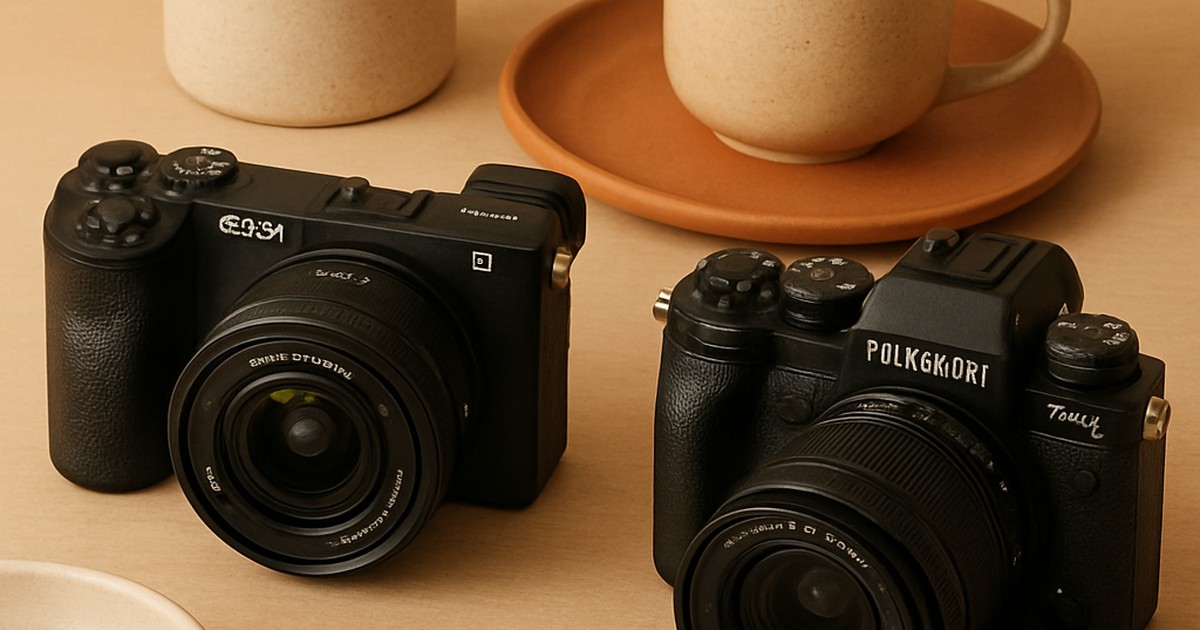
As we delve into the ever-evolving world of APS-C mirrorless cameras, 2026 has clearly outlined two distinct champions that cater to different photography enthusiasts. On one side, we have the Sony a6700, a camera that has secured its place as the technical powerhouse of the year, praised by reviewers for its unmatched autofocus capabilities and superior 4K video performance. On the other side stands the Fujifilm X-T5, winning hearts with its tactile joy and retro-inspired design that offers a photography experience like no other. This article will explore what makes these two cameras the leaders in their field, evaluate their strengths, and guide you through the current landscape of APS-C cameras and hybrid systems, demonstrating why these models have become the favorites among professional photographers and hobbyists alike.
Context
The APS-C mirrorless camera market has seen significant transformations over the years, with various brands vying for the top spot. Historically, the APS-C format has catered to a broad range of photographers, from amateurs stepping up from smartphone photography to professionals seeking a lighter alternative to full-frame systems. Sony, Fujifilm, Canon, and Nikon have been key players in this segment, each offering unique propositions that appeal to different aspects of the photography experience.
This week, the landscape has become more defined as Sony’s and Fujifilm’s latest offerings have established new benchmarks in the segment. The APS-C sensor size, a staple for most hobbyists and professionals alike, has been at the core of these developments, balancing performance and portability. The release of the a6700 and X-T5 marks a significant moment, as both cameras encapsulate the pinnacle of their respective brand philosophies – Sony, with its relentless pursuit of technical innovation, and Fujifilm, with its dedication to tactile user experience and traditional photography aesthetics.
The backdrop to this divide is the evolving needs of photographers who demand both superior technology and engaging user experiences. As the line between professional and amateur photography blurs, the demand for cameras that offer both cutting-edge features and an intuitive, enjoyable shooting process has never been higher. Thus, the emergence of these two models as market leaders reflects broader trends in consumer expectations and technological advancements.
What Happened
The Sony a6700, with a price tag of $1,398, has emerged as the undisputed leader in terms of technical capabilities. Equipped with the most powerful autofocus system adapted from Sony’s revered full-frame A1 II, it outperforms all competitors in the APS-C category. The camera’s prowess in capturing 4K video internally with 10-bit 4:2:2 color grading makes it an attractive option for videographers and hybrid shooters. Combining a 26-megapixel sensor with exceptional low-light performance, the a6700 serves as a versatile tool for photographers who prioritize technical precision above all else.
This superiority is further enhanced by the extensive E-mount lens ecosystem available to non-full-frame users, offering unparalleled flexibility and creative potential. As photographers look for systems that grow with their skills, Sony’s commitment to lens availability and quality becomes a decisive factor. Critics have consistently highlighted these attributes as the reasons behind the a6700’s dominance in professional reviews, making it a top choice for those seeking a high-performance camera body.
On the other hand, the Fujifilm X-T5, priced at $1,699, appeals to those who crave a more tactile and immersive photography experience. Its design pays homage to traditional camera aesthetics, complete with dedicated dial controls for shutter speed, ISO, and exposure compensation. This retro-inspired approach is complemented by the larger optical-style viewfinder and an AF-mode joystick that enhances user interaction. The X-T5’s 40-megapixel X-Trans sensor doesn’t just deliver on resolution but also offers a unique color rendering that Fujifilm enthusiasts have come to love, further supported by a matured X-mount lens roadmap adored by photographers globally.
Why It Matters
The divergence between the Sony a6700 and Fujifilm X-T5 in the APS-C market holds significant implications for the photography industry. This clear split reflects a broader trend where manufacturers are increasingly tailoring their products to meet distinct user profiles. For many professionals, the choice between these two cameras boils down to their specific needs – whether they prioritize technical excellence or a hands-on, engaging experience.
For consumers, this division offers a clearer pathway to identify which camera best suits their photography style, making it easier for them to invest in a system that aligns with their creative goals. It also signals to other manufacturers the importance of having a unique value proposition, pushing the industry to innovate and cater to diverse preferences. By spotlighting these distinct pathways, other companies may be inspired to refine their offerings to better compete in the niche markets these two models have carved out.
Furthermore, for the wider photography community, these developments underscore the importance of choice and diversity in the market. As photographers grow in their craft, having access to specialized tools that cater to their evolving needs becomes crucial. The presence of strong contenders like the a6700 and X-T5 ensures that the APS-C segment remains vibrant and competitive, offering photographers the flexibility to choose tools that best fit their creative vision.
How We Approached This
In selecting the best APS-C and hybrid cameras of April 2026, our editorial team at Ranked Daily emphasized a balanced evaluation of both technical capabilities and user experience. We scoured expert reviews, conducted comparative analyses, and engaged with photographers across different genres to understand what sets each camera apart. The focus was not merely on specifications but also on how each model enhances the photography process, providing genuine value to users.
By concentrating on the Sony a6700 and Fujifilm X-T5, we aimed to highlight the divide in user preferences and the implications of these choices in the current market. Our ranking considered factors such as autofocus performance, video capabilities, tactile controls, and overall user satisfaction. We deliberately excluded models that did not offer something distinctly new or relevant, ensuring our readers receive insights on truly noteworthy advances in camera technology.
Frequently Asked Questions
What makes the Sony a6700 a top choice for professionals?
The Sony a6700 excels with its class-leading autofocus system derived from the Sony A1 II, best-in-class 4K video capabilities, and a robust E-mount lens ecosystem. Its 26 MP sensor offers excellent low-light performance, making it ideal for professionals seeking high precision and versatility across various photography and videography disciplines.
Why do photographers love the Fujifilm X-T5?
The Fujifilm X-T5 attracts photographers with its tactile controls, retro aesthetic, and engaging shooting experience. Its 40-megapixel X-Trans sensor and film simulation modes offer both technical excellence and creative flexibility. Photographers appreciate the camera’s intuitive design, which enhances the joy of the photography process.
How do these cameras influence the broader APS-C market?
The Sony a6700 and Fujifilm X-T5 highlight a growing trend where cameras are specialized to meet distinct user needs, driving innovation and diversity in the market. This segmentation allows photographers to choose systems that align more closely with their individual styles and requirements, influencing future advancements in the industry.
As the APS-C mirrorless market continues to evolve, the Sony a6700 and Fujifilm X-T5 stand as testaments to the diversity and specialization in modern camera technology. Each offers a unique pathway for photographers to explore their craft, whether through technical brilliance or immersive shooting experiences. As these models set the standard, they not only enrich the market but challenge other manufacturers to innovate and cater to the varied needs of the photography community. For photographers, the choice between these two champions is not just about features but about aligning their tools with their creative vision.