The smart home landscape in April 2026 is a battleground of innovation and value, with two distinct narratives capturing the attention of tech enthusiasts and homeowners alike. In the air purification arena, the Honeywell HPA300 emerges as the undisputed leader, acclaimed for its H13-grade HEPA filtration and expansive coverage capabilities. Meanwhile, Xiaomi cements its position as the budget-smart-home kingpin, introducing a suite of five best-value products that redefine affordability and functionality. The Xiaomi Smart Air Purifier 5 Pro and the Mi Robot Vacuum X20+ lead the charge, complemented by the Xiaomi Smart Display 8, Smart Doorbell 3 Pro, and a standout in the form of the Xiaomi Semi-Automatic Espresso Machine. This article delves into these developments, offering insights into why these products shine in their respective categories and what this means for the broader smart-home ecosystem.
Context
The air purifier market has been a cornerstone of the smart home ecosystem, driven by increasing awareness of air quality’s impact on health. Over recent years, advancements in HEPA filtration technology and IoT integration have transformed these appliances from luxury items to household essentials. Honeywell, a stalwart in air purification, has consistently set the benchmark with models like the HPA300, which boasts a proven capability to capture 99.97% of particles as small as 0.3 microns. This performance is particularly crucial in urban environments plagued by pollution and allergens.
Concurrently, the smart-home market has witnessed a democratization of technology, with companies like Xiaomi leading the charge. Known for delivering high-functioning devices at remarkably competitive prices, Xiaomi has expanded its product lineup to include a diverse array of smart-home gadgets. This expansion is underpinned by the adoption of Matter and Thread, two protocols that have facilitated unprecedented interoperability between devices from different manufacturers. This shift is pivotal in making multi-vendor smart-home setups practical and seamless for the average consumer.
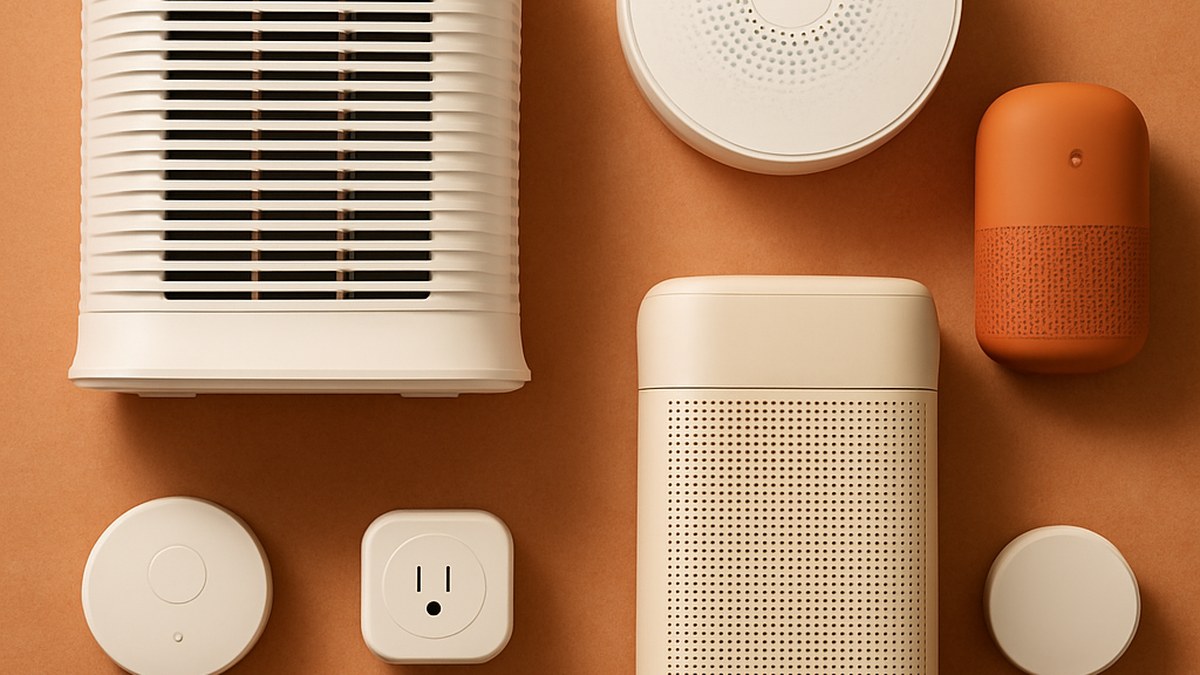
April 2026 marks a significant milestone as these developments converge. Honeywell’s continued dominance in the air purifier market contrasts with Xiaomi’s strategic focus on affordability without sacrificing innovation. This dual narrative sets the stage for a compelling exploration of how established brands and newcomers alike are reshaping the smart-home landscape.
What Happened
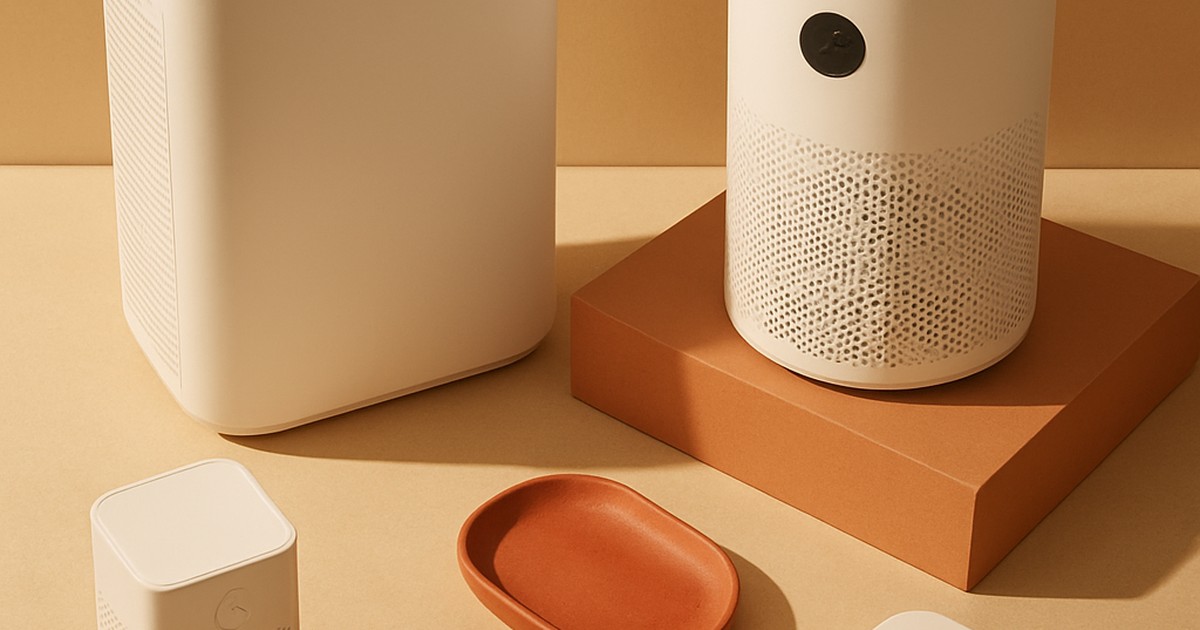
This month, Wirecutter, ScoredPicks, and Consumer Reports all crowned the Honeywell HPA300 as the top air purifier for 2026. Priced at $249, the HPA300’s combination of affordability, efficiency, and coverage is unrivaled. Its H13-grade HEPA filter is a notable feature, ensuring the capture of 99.97% of airborne particles, including allergens and pollutants. With the capacity to cover up to 2,250 square feet and performing 4.8 air exchanges per hour in typical bedrooms, it caters perfectly to both smaller apartments and larger living spaces.
On the other hand, Xiaomi’s latest budget offerings are causing a stir across the smart-home sector. Five of its products have been highlighted as best-value picks in their categories. The Xiaomi Smart Air Purifier 5 Pro, for instance, offers smart connectivity and impressive purification capabilities at a fraction of the cost of its competitors. The Mi Robot Vacuum X20+, with its intelligent mapping and efficient cleaning algorithms, further exemplifies Xiaomi’s ability to deliver top-tier performance affordably.
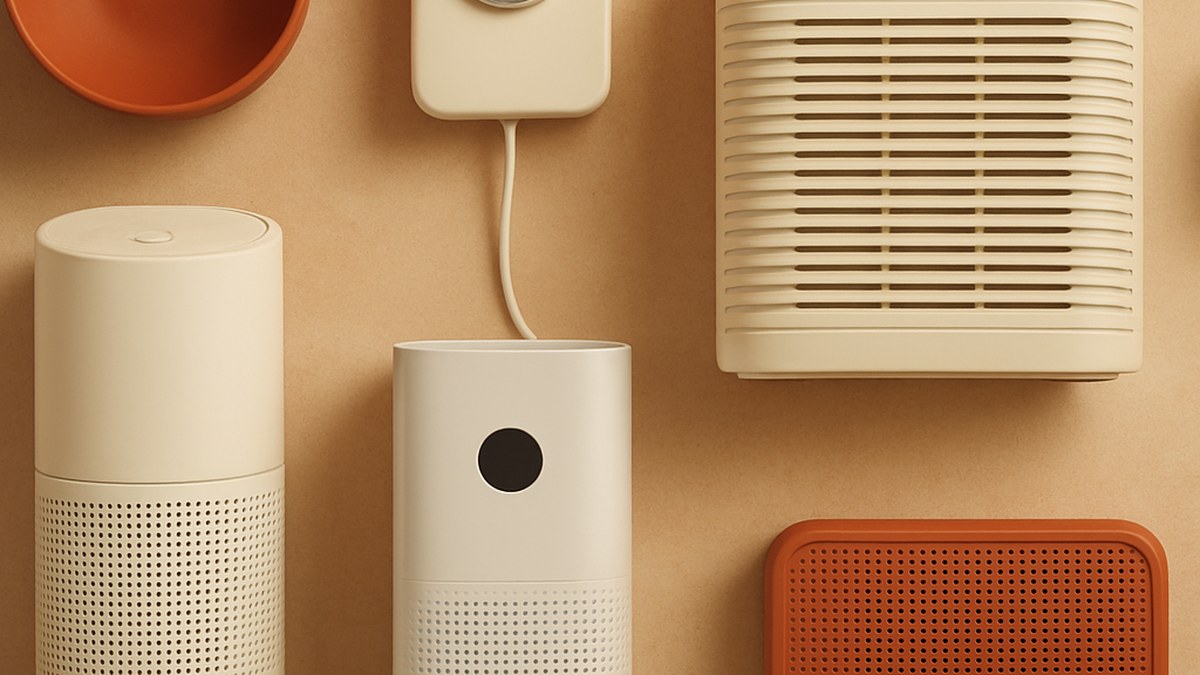
Particularly noteworthy is the Xiaomi Semi-Automatic Espresso Machine, which has captivated experts who typically shun sub-$300 models. At just 14 cm wide, it manages to incorporate a 20-bar pump and a sophisticated low-pressure pre-infusion system, earning it accolades as the best small-footprint kitchen appliance of the year. Such acclaim underscores Xiaomi’s strategic prowess in identifying and exploiting market gaps with innovation-driven products.
Why It Matters
The implications of these developments are far-reaching, particularly in the context of consumer choice and industry trends. Honeywell’s HPA300 continues to reinforce the importance of air quality, especially in urbanized areas where pollution levels are rising. Its performance ensures that consumers do not have to compromise on health and safety, setting a high standard for other manufacturers in the space.
Simultaneously, Xiaomi’s emergence as a budget leader underscores a crucial shift in the smart-home industry. By breaking the price barrier, Xiaomi is enabling a broader demographic to access smart-home technology, fostering an ecosystem where innovation is not confined to high-end markets. This democratization is likely to spur further innovation as other companies strive to compete on both price and functionality.
Moreover, the successful implementation of Matter and Thread protocols highlights a significant advancement in the smart-home landscape. This interoperability means consumers can now mix and match devices from various brands without compatibility concerns, paving the way for more personalized and adaptable smart-home setups. For the industry, this represents a move towards a more unified and consumer-friendly market, potentially driving greater adoption of smart-home technologies.
How We Approached This
In crafting this analysis, we drew upon a range of sources, including the latest reviews from Wirecutter, ScoredPicks, and Consumer Reports, alongside proprietary insights into market trends. Our editorial stance prioritizes clarity, relevance, and a focus on consumer impact, ensuring our readers are equipped with the information they need to make informed purchasing decisions.
We chose to emphasize the dual narratives of Honeywell and Xiaomi because they exemplify the broader trends shaping the smart-home market today. By highlighting both a premium and a budget leader, we aim to provide a comprehensive overview that reflects the diverse needs and preferences of consumers in 2026. Our commitment is to remain focused on products that not only excel in performance but also enhance the everyday lives of users.
Frequently Asked Questions
What makes the Honeywell HPA300 stand out in air purifiers?
The Honeywell HPA300 is distinguished by its H13-grade HEPA filtration, which captures 99.97% of particles as small as 0.3 microns, making it highly effective against allergens and pollutants. Its coverage of up to 2,250 square feet and efficiency of 4.8 air exchanges per hour ensure it’s suitable for various room sizes, offering unmatched performance at a competitive price.
Why is Xiaomi considered a leader in the budget smart-home market?
Xiaomi has solidified its leadership by delivering high-quality, innovative products at affordable prices. Its range, including the Smart Air Purifier 5 Pro and the Mi Robot Vacuum X20+, exemplifies this strategy. The integration of Matter and Thread protocols further enhances their appeal, allowing seamless interoperability with other smart-home devices, thus providing excellent value to consumers.
What are Matter and Thread protocols, and why are they important?
Matter and Thread are protocols designed to improve interoperability among smart-home devices from different manufacturers. Matter focuses on a unified communication standard, while Thread offers a reliable mesh network. Together, they simplify connectivity, enhance device compatibility, and reduce fragmentation, making it easier for consumers to build cohesive smart-home ecosystems.
As the smart-home landscape evolves, the balance between affordability and performance becomes ever more critical. Honeywell and Xiaomi represent two sides of this coin, offering products that meet diverse consumer needs. As we look to the future, the integration of technologies like Matter and Thread will likely continue to drive innovation, shaping how we interact with our living spaces and setting new standards for what smart homes can achieve in the years to come.