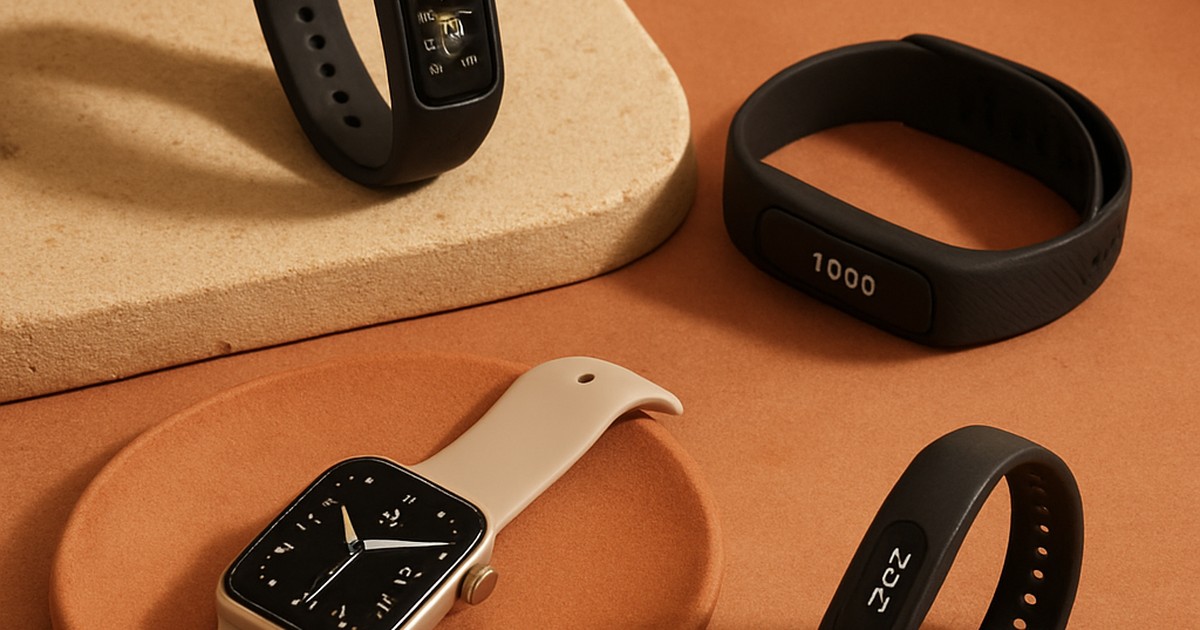
The fitness tracker market in 2026 is experiencing a fascinating transformation, as the landscape shifts between powerful smartwatches and the rise of health-focused rings. At the forefront of this change are Garmin, Apple, and Oura, each carving out a unique space in this evolving ecosystem. This article delves into the top ten fitness trackers of 2026, as ranked by major tech reviewers like GearJunkie and Tom’s Guide. We’ll explore how Garmin maintains its quiet dominance, Apple’s strategic hybrid play, and Oura’s resurgence in the ring segment. These developments are reshaping consumer preferences and advancing the technology that keeps us connected to our health.
Context
The fitness tracker industry has undergone significant shifts over the past few years, driven by technological advancements and changing consumer preferences. Historically, pure fitness trackers were the go-to choice for health-conscious individuals seeking to monitor their daily activities. However, the rise of smartwatches, which offer a comprehensive suite of features beyond fitness tracking, has put pressure on the traditional form factor. Consumers now demand devices that do more than count steps—they seek comprehensive health monitoring, seamless connectivity, and stylish designs.
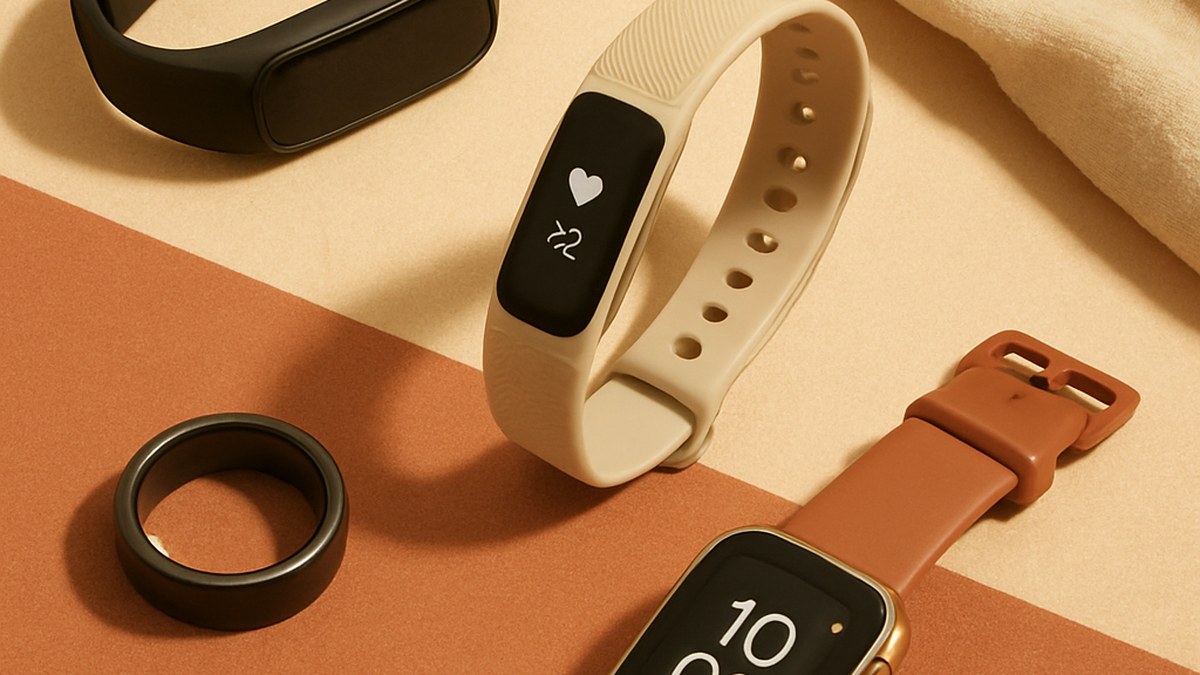
In response, the market has bifurcated into two distinct segments: full-featured smartwatches and dedicated health rings. Smartwatches like the Apple Watch Series 10 and Samsung Galaxy Watch integrate fitness tracking with communication capabilities, while devices like the Oura Ring focus on specialized health metrics and comfort for 24/7 wear. This division reflects a broader trend in consumer electronics towards multifunctional devices for general use and specialized products for targeted needs.
This particular week, the new rankings have captured the attention of consumers and industry insiders alike, as they highlight the shifts in preference and technology. The annual consolidation of reviews from authoritative sources provides a snapshot of the current market dynamics. It serves as an important benchmark for consumers looking to make informed decisions amidst the plethora of options available. The backdrop of increasing health awareness and a burgeoning wellness industry further contextualizes why these rankings are more than just a list—they are a reflection of how technology is increasingly intertwined with our daily lives.
What Happened
The April 2026 rankings of fitness trackers, compiled from GearJunkie, Tom’s Guide, Yahoo Health, and The Gadgeteer, reveal a landscape dominated by Garmin’s exceptional performance. Topping the list is the Garmin Forerunner 265, acclaimed as the best choice for serious runners. Priced at $382, this model boasts an AMOLED display and dual-frequency GPS, features that resonate with athletes demanding precision and reliability. Garmin’s focus on performance and endurance makes it the preferred brand for training-focused consumers.
Second on the list is the Apple Watch Series 10, which successfully bridges the gap between a smartwatch and a fitness tracker. Known for its hybrid model, it features an FDA-cleared ECG, positioning it as a leader in health technology. Its ability to offer both communication and comprehensive health tracking appeals to casual fitness enthusiasts seeking an all-in-one solution. Apple’s consistent innovation ensures its place as a top contender in the wearable technology sector.
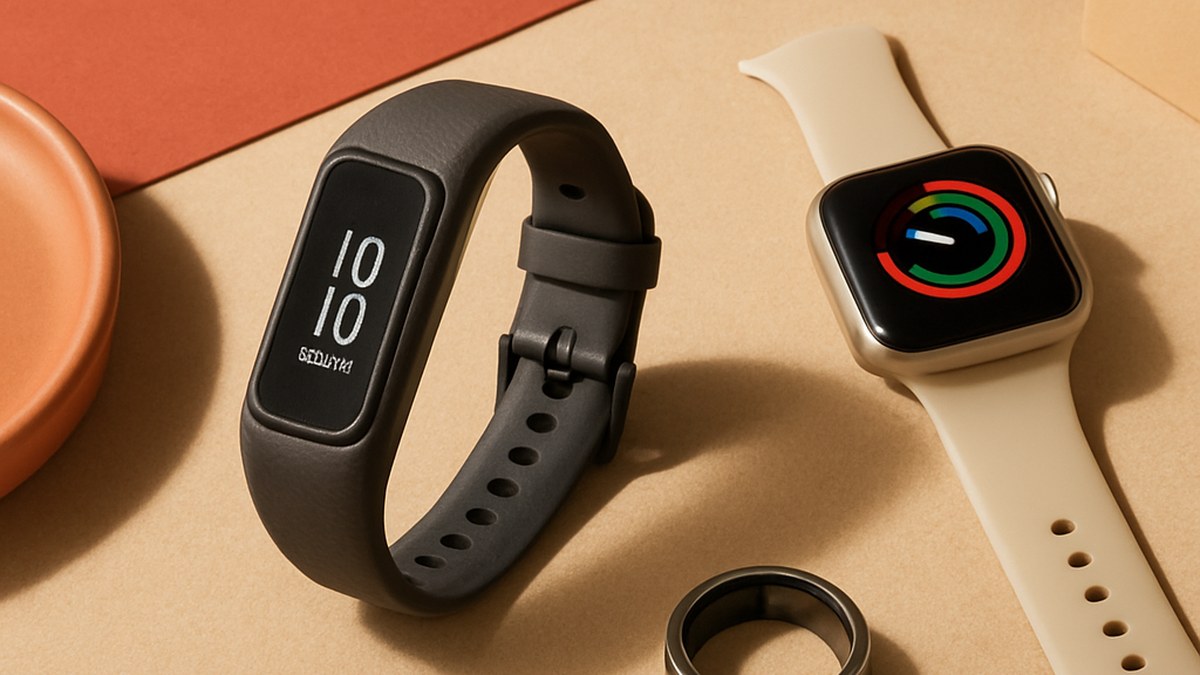
Oura’s Ring 4 marks a notable comeback, ranking fourth. Its emphasis on sleep tracking and comfort for all-day wear has attracted a dedicated following. Positioned as the gold standard for sleep-focused consumers, the Oura Ring reflects a shift towards more specialized health devices. The ring segment, although newer, is rapidly gaining traction with offerings like the Samsung Galaxy Ring, which, despite being a fresh entrant, is already making waves in its category. These rankings underscore the diversity and specialization within the fitness tracker market, highlighting a trend towards more personalized and targeted health solutions.
Why It Matters
The bifurcation in the fitness tracker market has significant implications for consumers, manufacturers, and the larger health technology landscape. As consumers become more health-conscious, their expectations for wearable technology evolve. Devices that offer comprehensive health insights are not just gadgets but integral tools for managing well-being. Garmin’s targeted focus on athletes and performance metrics caters to a niche yet dedicated audience, pushing the envelope for precision in fitness tracking.
On the other hand, Apple’s hybrid approach exemplifies the convergence of lifestyle and technology. By integrating advanced health features within a smartwatch framework, Apple appeals to a broader audience that values connectivity alongside health monitoring. This strategy not only broadens the market but also paves the way for future innovations in wearables that can seamlessly integrate into everyday life.
Oura and other ring-based products emphasize comfort and health specialization, reflecting a growing consumer segment interested in passive, 24/7 monitoring. The success of such devices highlights an ongoing trend towards miniaturization and the use of non-invasive technology to gather meaningful health data. As the market continues to evolve, these trends will shape the future of how we interact with health technology, influencing everything from personal health management to insurance models and healthcare delivery systems.
How We Approached This
In crafting this article, we prioritized insights from leading tech review platforms such as GearJunkie, Tom’s Guide, Yahoo Health, and The Gadgeteer. Our focus was on highlighting the key players and the distinctive features that set them apart in this year’s rankings. We aimed to provide a balanced perspective that reflects both the technological advancements and consumer preferences shaping the current landscape.
Ranked Daily’s editorial approach is to provide comprehensive yet succinct analyses, emphasizing the broader implications of industry trends on consumer habits and technological innovations. While consolidating various expert opinions, we chose to highlight the most influential factors driving the bifurcation of the market: the growing appeal of hybrid smartwatches and the specialization of health rings. This decision supports our mission to offer readers a clear, concise summary grounded in authoritative sources.
Frequently Asked Questions
What makes the Garmin Forerunner 265 the top choice for runners?
The Garmin Forerunner 265 is celebrated for its precise dual-frequency GPS and vibrant AMOLED display, which are key to delivering accurate tracking and a user-friendly experience. Priced at $382, its features cater specifically to serious runners who prioritize performance metrics. Its enduring battery life and robust build further enhance its appeal, making it a reliable companion for athletes dedicated to their training regimen.
How does the Apple Watch Series 10 differ from previous models?
The Apple Watch Series 10 stands out due to its seamless integration of health tracking with smartwatch functionality. It includes an FDA-cleared ECG, enhancing its health monitoring capabilities beyond previous iterations. The Series 10 offers improved battery life and a refined design, making it a versatile choice for users who seek both communication and comprehensive health features in one device. Its hybrid model continues to bridge the gap between tech enthusiasts and health-conscious consumers.
Why are rings like the Oura Ring gaining popularity?
Health rings, such as the Oura Ring, are gaining traction due to their focus on comfort and specialized health metrics, particularly sleep tracking. These devices are designed for 24/7 wear, appealing to consumers who prefer discreet, non-invasive technology. The emphasis on passive monitoring aligns with emerging trends in personal health management, offering insights without the need for active engagement. This makes them particularly attractive to users seeking convenience and specialized health data.
As we look ahead, the fitness tracker market will continue to evolve, shaped by technological advancements and shifting consumer demands. Key players like Garmin, Apple, and Oura will likely expand their offerings, focusing on the integration of more advanced health metrics and user-friendly interfaces. For consumers, the choice between dedicated fitness devices and multifunctional smartwatches will depend on personal preferences and lifestyle needs. This dynamic interplay between technology and health highlights the ongoing transformation in how we interact with wearable devices. As these innovations unfold, they promise to enhance our understanding and management of personal health.