In a surprising twist, Yanko Design‘s latest ranked list of gadgets reveals that Gen Z is embracing a new wave of tech products that defy the industry’s expectations. Contrary to the tech-savvy image often associated with this demographic, the April 2026 list isn’t crowned by the latest smartphones or laptops. Instead, it’s dominated by tactile, analog-hybrid devices that emphasize intentional use and resist the digital overload so prevalent in today’s tech landscape. Leading the pack is The Brick, a simple yet groundbreaking $50 magnetic tile that helps users lock away addictive phone apps, boasting no screens or subscriptions, just pure functionality. Following closely is a hand-crank espresso maker, embodying the nostalgia of craftsmanship with its electricity-free design. This article delves into the reasoning behind these unexpected preferences and what they signify for future tech developments.
Context
The tech preferences of Gen Z have long been a subject of interest and speculation. As the first generation to grow up with smartphones and digital technology as a part of everyday life, they are often presumed to favor cutting-edge devices and the latest software innovations. However, this assumption overlooks a growing trend among younger consumers towards devices that promote digital detox and mindfulness. Over recent years, a subtle shift has been observed: a pivot from high-tech multitasking to products that offer simplicity, tangible engagement, and a sense of peace amidst the digital chaos.
In the weeks leading up to this list’s release, industry analysts speculated that traditional electronics like phones and high-performance laptops would remain dominant. However, the emergence of tactile and analog-hybrid devices has challenged that narrative. This shift reflects a deeper change in consumer values, as Gen Z seeks to reclaim control over their technology use. They are increasingly turning to products that encourage them to disconnect from the online world and engage in more meaningful, tactile experiences.
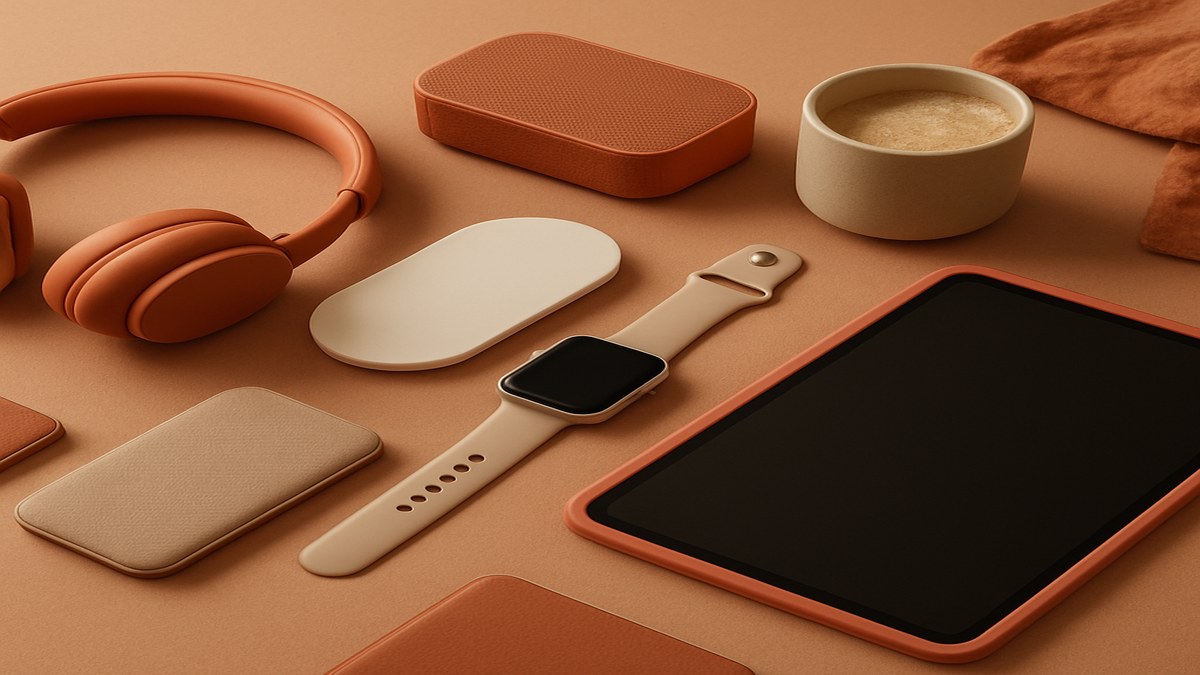
This week marks a critical moment as the market begins to respond to these changing demands. Companies are now reevaluating their product strategies, considering how best to cater to a generation that values devices which encourage presence and connectivity in the physical world. The unexpected popularity of these gadgets is a telling sign that the future of tech may lie in simplicity and intentionality rather than complexity and endless functionality.
What Happened
The Brick, the top-ranked item on Yanko Design’s list, is a particularly striking example of this new trend. Priced at a modest $50, this magnetic tile allows users to physically lock their smartphones away, preventing access to selected apps. It offers no digital interface and requires no subscriptions, yet its popularity underscores a significant demand for products that help users manage their tech intake. This device has gained traction among Gen Z for its ability to enforce digital boundaries in a tangible way.
Following The Brick is a hand-crank espresso maker, another gadget that epitomizes the shift towards analog experiences. This device allows users to make cafe-quality espresso without electricity, merging the art of traditional coffee-making with modern needs. Its appeal lies in its simplicity and the ritualistic aspect of manually brewing coffee, which provides a break from the constant connectivity.
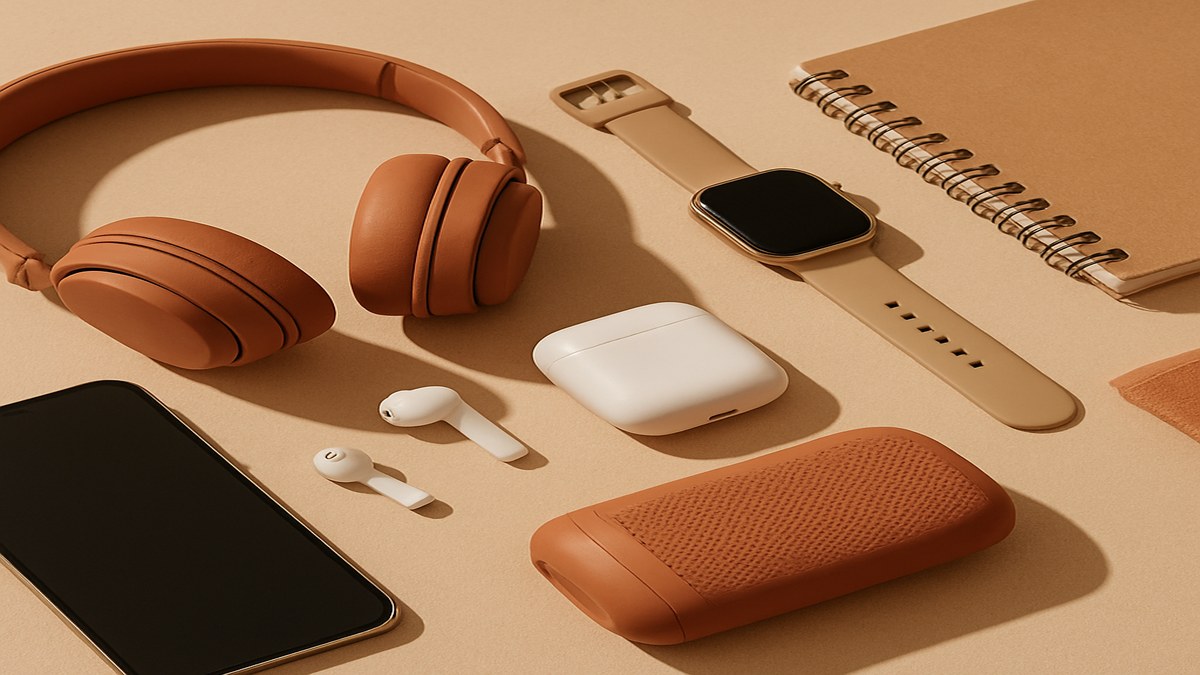
Adding to this roster of analog preferences are two E Ink devices that have captured Gen Z’s attention: the DuRobo Krono e-reader and the Daylight DC1 computer. These devices boast reflective displays that minimize eye strain and reduce the typical screen fatigue associated with digital reading. The DuRobo Krono offers an immersive reading experience, while the Daylight DC1 features a 120Hz reflective display that is both efficient and gentle on the eyes. Such innovations signal a broader desire for tech that supports health and well-being.
Why It Matters
The rise of these gadgets highlights a pivotal shift in tech consumption that could reshape market dynamics. For tech companies, the message is clear: the generation that once embraced every new screen and app is now setting boundaries and seeking products that enhance rather than consume their daily lives. This trend towards intentional technology use could prompt companies to rethink their design and marketing strategies substantially.
For consumers, this move implies a greater focus on quality over quantity. Devices like The Brick and the hand-crank espresso maker exemplify a return to essentialism, where the value of a gadget is determined not by the number of features it offers but by how well it performs its intended function. This growing demand for purposeful tech is likely to influence product development, pushing manufacturers to create items that cater to this preference for simplicity and mindfulness.
Moreover, this trend could spur innovation in areas previously overlooked. The increasing interest in E Ink technology, for instance, suggests a burgeoning market for screen alternatives that prioritize user health. As more consumers become aware of the benefits of reduced screen time, demand for products that support this lifestyle is expected to rise. The impact of this shift goes beyond individual consumer choices; it represents a broader cultural movement towards redefining productivity and leisure in a hyper-connected world.
How We Approached This
In examining Yanko Design’s list, we prioritized understanding the underlying consumer motivations behind these unexpected preferences. Our editorial team scoured various industry reports and consumer feedback to assess the broader implications of this trend. We sought to highlight products that not only resonate with Gen Z but also reflect a meaningful shift in how technology is being integrated into daily life.
Our methodology involved a critical analysis of each gadget’s features and the values they represent. We chose to emphasize the aspects of connectivity, simplicity, and intentionality, as these themes consistently emerged across our research. By focusing on devices that defy conventional tech narratives, our aim was to provide a nuanced understanding of Gen Z’s tech choices and their potential impact on the market and society at large.
Frequently Asked Questions
Why are Gen Z consumers turning to analog devices?
Gen Z consumers are increasingly prioritizing mental well-being and are wary of digital overload. Analog devices offer a tactile and engaging experience, encouraging users to disconnect from screens. They support a lifestyle that values presence and intentional interactions over constant connectivity.
What makes The Brick so appealing despite its simplicity?
The Brick’s appeal lies in its ability to provide a physical solution to digital distractions. It offers a straightforward way to limit app access without relying on software, giving users a sense of control over their screen time. Its simplicity is precisely what makes it effective and desirable.
How might this trend affect future tech product designs?
This shift towards simpler, more intentional devices may inspire companies to reevaluate their approach to product design. There is likely to be an increased focus on creating tech that prioritizes user well-being, efficiency, and minimalism, shaping the next wave of tech innovations to align with these emerging consumer values.
As we look ahead, the preferences of Gen Z offer a window into the future of technology. Their favoring of gadgets that promote restraint and intentional use suggests a significant cultural shift in how tech is perceived and utilized. For manufacturers and tech enthusiasts alike, this trend signals an opportunity to innovate in ways that align with new consumer values. As the industry adapts, the emphasis will likely be on creating products that enhance life without overwhelming it, a prospect that promises to redefine the boundaries of technology itself.