Introduction: A Feast for the Senses
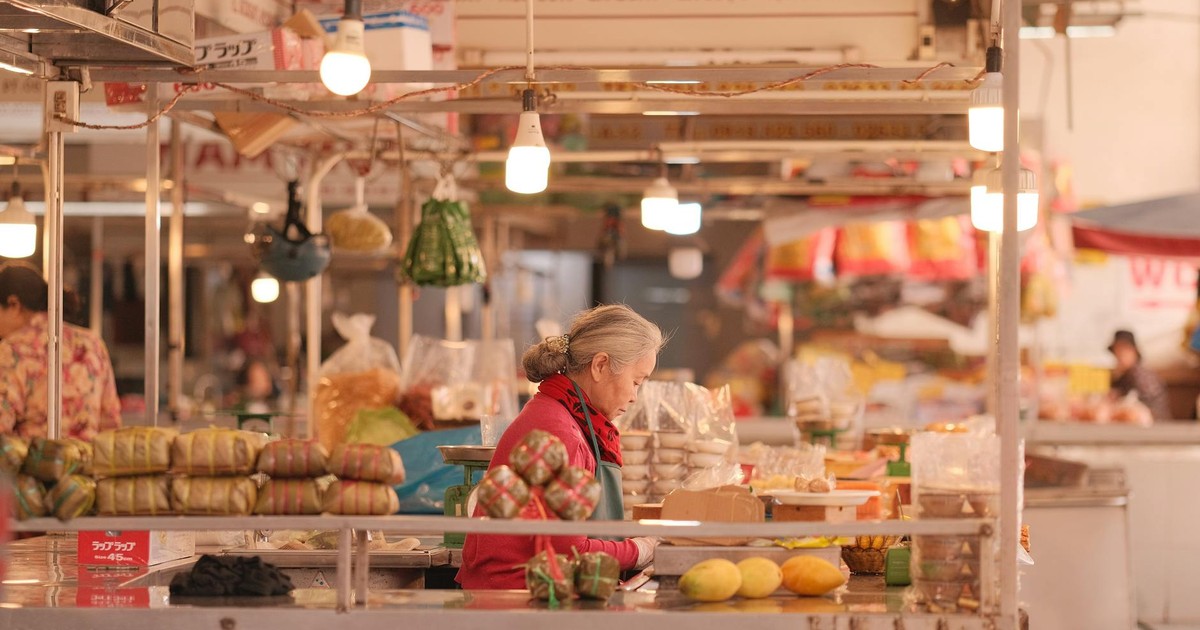
Forget sterile supermarket aisles. The true soul of a city’s cuisine, its history, and its people is often found in the vibrant chaos of its local food markets. These are not just places to shop; they are living theaters of flavor, where the air hums with sizzling pans, animated haggling, and the intoxicating aromas of a thousand different dishes. From century-old halls to floating bazaars, these markets offer a culinary passport to the heart of a culture. We’ve scoured the globe to rank eight of the most unique food markets, not by size or fame alone, but by the sheer power and depth of the culinary experience they deliver. Prepare your appetite for a journey through bustling lanes and hidden stalls where every bite tells a story.
| # | Pick | Best For | Key Strength | Watch-out |
|---|---|---|---|---|
| 1 | La Boqueria, Barcelona | Tourists seeking vibrant Spanish tapas and fresh produce | High-quality Mediterranean ingredients and embedded tapas bars | Extremely crowded due to high tourist popularity |
| 2 | Or Tor Kor Market, Bangkok | Food enthusiasts wanting premium Thai ingredients | Exceptional quality fruits and refined street food options | Higher prices compared to typical Thai markets |
| 3 | St. Lawrence Market, Toronto | Visitors exploring multicultural Canadian food history | Historic venue with diverse global food vendors | Can get busy, especially on Saturdays with farmers’ market |
| 4 | Mercado de la Merced, Mexico City | Adventurous eaters diving into authentic Mexican cuisine | Vast selection of traditional ingredients and street food | Overwhelming scale and intense sensory experience |
| 5 | Tsukiji Outer Market, Tokyo | Seafood lovers and sushi enthusiasts | Extremely fresh seafood and famous early-morning sushi | Crowded, with long waits at popular sushi counters |
| 6 | Borough Market, London | Foodies interested in British artisanal products | High-quality local produce and innovative street food | Often crowded with long lunch lines |
| 7 | Damnoen Saduak Floating Market | Tourists seeking unique cultural and photographic experiences | Iconic boat-based food vendors in scenic canal setting | Food quality is standard, focused on tourist appeal |
| 8 | Marché des Enfants Rouges, Paris | Visitors wanting intimate multicultural dining in Paris | Historic charm with diverse international food stalls | Small size can make it feel crowded during peak times |
8. La Boqueria, Barcelona, Spain
We begin our list with perhaps the world’s most famous market, a sensory explosion right off Barcelona’s bustling La Rambla. La Boqueria is a spectacle of color and commerce. While its popularity means navigating crowds, the culinary experience remains undeniably potent. It’s a masterclass in Spanish ingredients.
What Makes It Unique:
- The Visual Carnival: Towers of perfect fruits, shimmering mountains of olives and pickles, and legs of jamón ibérico hanging like culinary chandeliers create an unforgettable visual feast.
- Tapas Bar Culture Within: The real magic happens at the small bar counters tucked inside the market. El Quim and Pinotxo Bar serve some of the freshest, simplest tapas in the city—think gambas al ajillo (garlic shrimp) cooked minutes after you order.
- Iberian Showcase: It’s the best place to understand the hierarchy of Spanish ham and the sheer variety of Catalan cheeses and conservas (canned seafood).
The Verdict: While touristy, its sheer density of high-quality produce and the authentic tapas bars embedded within its walls secure its spot. It’s a brilliant, if busy, introduction to Mediterranean bounty.
7. Or Tor Kor Market, Bangkok, Thailand
Often overshadowed by the colossal Chatuchak weekend market next door, Or Tor Kor is where Bangkok’s food-savvy locals and top chefs come to shop. This government-run market is renowned for having the highest quality produce in the city, presented with almost reverent care.
What Makes It Unique:
- Royal-Quality Ingredients: The fruit section is legendary. You’ll find perfect, fragrant mangosteens, durians of prized varieties, and ruby-red pomelos, all graded and priced accordingly.
- Impeccable Ready-to-Eat Food Court: The market’s food court is a hidden gem, offering cleaner, more refined versions of Thai street food classics. The khao mok gai (Thai biryani) and spicy som tum (papaya salad) here are exceptional.
- A Calm Oasis: Compared to the frenetic energy of most Thai markets, Or Tor Kor is spacious, clean, and relatively calm, allowing you to appreciate the food without the usual sensory overload.
The Verdict: A market for true gourmands and ingredient worshippers. It offers a premium, polished, and profoundly delicious slice of Thai food culture.
6. St. Lawrence Market, Toronto, Canada
In a city defined by multiculturalism, St. Lawrence Market stands as its delicious, historic epicenter. Housed in a grand national historic site, this isn’t just a market; it’s a 200-year-old Toronto institution that reflects the city’s evolving culinary identity.
What Makes It Unique:
- The Peameal Bacon Sandwich: The market’s iconic dish, found at Carousel Bakery, is a must-eat: back bacon rolled in cornmeal, fried, and served on a bun. It’s a simple, perfect Canadian classic.
- Global Village Under One Roof: Wander from a Polish pierogi specialist to an Italian cheese monger aging wheels in the cellar, then to a Filipino BBQ stall and a Canadian maple syrup purveyor. It’s a edible map of Toronto’s diaspora.
- Saturday Farmers’ Market: The weekly north building market transforms into a producer-only haven, with Ontario farmers, cheesemakers, and butchers offering the best of the region’s terroir.
The Verdict: St. Lawrence Market wins on charm, history, and its remarkable ability to tell the story of a nation through its diverse, high-quality vendors. It’s a welcoming and delicious civic treasure.
5. Mercado de la Merced, Mexico City, Mexico
If you want to dive headfirst into the overwhelming, glorious heart of Mexican food culture, bypass the more polished markets and go to La Merced. One of the largest traditional markets in the Americas, it’s a labyrinthine city within a city, entirely devoted to food.
What Makes It Unique:
- Scale and Specialization: Entire sections are dedicated to single ingredients: a mountain of chiles of every shape and heat level, a valley of dried corn for nixtamalization, a corridor of fresh masa, and aisles of mysterious herbs and medicinal plants.
- Pre-Hispanic Ingredients: Here you’ll find ingredients central to ancient Mexican cuisine that are rare elsewhere: huitlacoche (corn fungus), chapulines (grasshoppers), and a stunning array of fresh and dried beans.
- The Ultimate Street Food Hub: The market’s periphery and connecting streets are a continuous open-air kitchen. Follow the steam to find incredible tacos, tamales, atole, and pozole cooked over generations-old recipes.
The Verdict: An intense, authentic, and awe-inspiring journey to the source. It’s not for the faint of heart, but for a serious food explorer, it’s a pilgrimage site that reveals the incredible depth of Mexican cuisine.
4. Tsukiji Outer Market, Tokyo, Japan
While the famous tuna auction and wholesale inner market have moved to Toyosu, the Tsukiji Outer Market remains, buzzing with its unique energy. This dense network of narrow streets is a shrine to seafood and Japanese culinary precision.
What Makes It Unique:
- Ocean’s Bounty, Up Close: Stalls display seafood so fresh it seems to gleam: glistening uni (sea urchin), fat oysters, mysterious shellfish, and expertly filleted fish of every kind.
- Breakfast of Champions: The quintessential experience is standing in line at 7 AM for a seat at a tiny sushi counter like Sushi Dai or Daiwa Sushi, where chefs serve omakase (chef’s choice) using fish that was in the ocean hours before.
- Specialty Tool & Knife Shops: Interspersed with food stalls are shops selling the world’s finest Japanese kitchen knives and traditional cookware, connecting the ingredient directly to the tool used to prepare it.
The Verdict: A masterclass in freshness, specialization, and respect for ingredients. The culinary experience is focused, profound, and executed with unparalleled skill. It’s a must-visit for any sushi lover.
3. Borough Market, London, UK
Beneath the railway arches near London Bridge, Borough Market has evolved from a 13th-century produce market into the beating heart of Britain’s food renaissance. It’s where tradition meets cutting-edge innovation, all with a distinctly British accent.
What Makes It Unique:
- Artisanal British Showcase: Find rare-breed meats from Ginger Pig, farmhouse cheeses from Neal’s Yard Dairy, foraged mushrooms, and heirloom vegetables from small UK producers. It redefines what “British food” can be.
- Global Street Food, London-Style: The lunch lines are legendary for a reason. Feast on gourmet raclette, sensational Scotch eggs, fragrant paella, Ethiopian stews, and the best sausage roll you’ll ever taste from The Ginger Pig.
- A Living, Breathing Community: More than a market, it’s a gathering place for chefs, foodies, and locals. The passionate vendors are eager to educate, offering tastes and stories behind their products.
The Verdict: Borough Market succeeds because it’s both a historic landmark and a dynamic, contemporary food hub. It celebrates provenance, quality, and community, making every visit both delicious and enlightening.
2. Damnoen Saduak Floating Market, Thailand
For pure, unadulterated spectacle and a culinary experience unlike any other, Thailand’s iconic floating markets are in a league of their own. While Ratchaburi’s Damnoen Saduak is the most famous (and touristy), its vibrant theater of food commerce from boats is utterly mesmerizing.
What Makes It Unique:
- The Theater of Commerce: The experience of vendors paddling wooden canoes piled high with tropical fruits, sizzling woks of pad thai, and steaming bowls of noodles through narrow canals is a breathtaking sight.
- Interactive Eating: You flag down boats from the shore or hire a paddleboat to navigate the watery aisles. Buying a mango sticky rice or a grilled seafood skewer directly from a boat is an unforgettable interaction.
- Photographic & Cultural Icon: The vibrant colors, the graceful boats, and the backdrop of traditional stilt houses create a scene that feels both timeless and vibrantly alive. It’s a living postcard of Thai culture.
The Verdict: It ranks so high for the sheer uniqueness of the experience. While the food itself is standard Thai tourist fare, the method of delivery—amidst the beautiful chaos of a waterborne marketplace—creates a magical, must-see culinary adventure.
1. Marché des Enfants Rouges, Paris, France
Our top-ranked market is not the largest or loudest, but it is, in our opinion, the one that most perfectly distills the joy of eating and community. Tucked away in the Marais, Marché des Enfants Rouges is Paris’s oldest covered market (dating to 1615) and its most deliciously intimate.
What Makes It Unique:
- World Cuisine in a Parisian Frame: At its heart, it’s a beautiful, small produce market. But surrounding it are tiny, permanent food stalls representing the best of Paris’s multicultural fabric: exquisite French traiteur, authentic Moroccan tagines, superb Italian antipasti, hearty Japanese obento, and legendary Lebanese wraps.
- The Communal Tables: The center of the market is filled with long, shared tables. Here, you’ll see Parisians of all ages and backgrounds—artists, families, businesspeople—enjoying a multi-course French lunch next to tourists savoring a Moroccan feast. It’s a rare, unpretentious social melting pot.
- Unhurried, Authentic Atmosphere: It avoids the overwhelming scale of larger markets. You can browse, chat with vendors, and savor your meal without feeling rushed. It feels like a secret, even though it’s widely loved.
The Verdict: Marché des Enfants Rouges wins the top spot because it offers a perfect, holistic culinary experience. It combines historic charm, exceptional and diverse food quality, and an irreplaceable sense of Parisian community. You don’t just eat here; you belong here for a meal. It is the essence of market dining.
Conclusion: Your Ticket to the Table
These eight markets prove that the journey to a country’s culinary heart is best taken through crowded aisles, past steaming stalls, and into conversations with the people who grow, cook, and sell its food. Each offers a different flavor of adventure: the premium polish of Or Tor Kor, the historic mosaic of St. Lawrence, the intense authenticity of La Merced, and the communal magic of our winner, Marché des