
Beyond the Postcard: Finding Solitude and Splendor
When you think of America’s national parks, a few iconic names instantly spring to mind: the dizzying depths of the Grand Canyon, the geyser eruptions of Yellowstone, the granite cathedrals of Yosemite. These legendary landscapes are famous for a reason, but their popularity comes at a cost—literally and figuratively. Crowded overlooks, traffic jams of RVs, and the constant buzz of fellow tourists can sometimes detract from the very serenity we seek in nature.
| # | Pick | Best For | Key Strength | Watch-out |
|---|---|---|---|---|
| 1 | Great Basin National Park | Stargazers and those seeking ancient bristlecone pines | Remote location ensures profound silence and dark night skies | Limited amenities due to isolation on The Loneliest Road |
| 2 | North Cascades National Park | Hikers and backpackers wanting rugged alpine scenery | Wilderness designation preserves untamed spirit with minimal crowds | Most areas require hiking; no iconic drive-up viewpoints |
| 3 | Isle Royale National Park | Wilderness enthusiasts seeking remote island isolation | Accessible only by boat or seaplane filters out casual visitors | Closed in winter; requires significant travel commitment |
| 4 | Congaree National Park | Birders and those interested in unique floodplain ecosystems | Largest intact old-growth bottomland hardwood forest in Southeast | Flat, wet landscape lacks dramatic arid scenery |
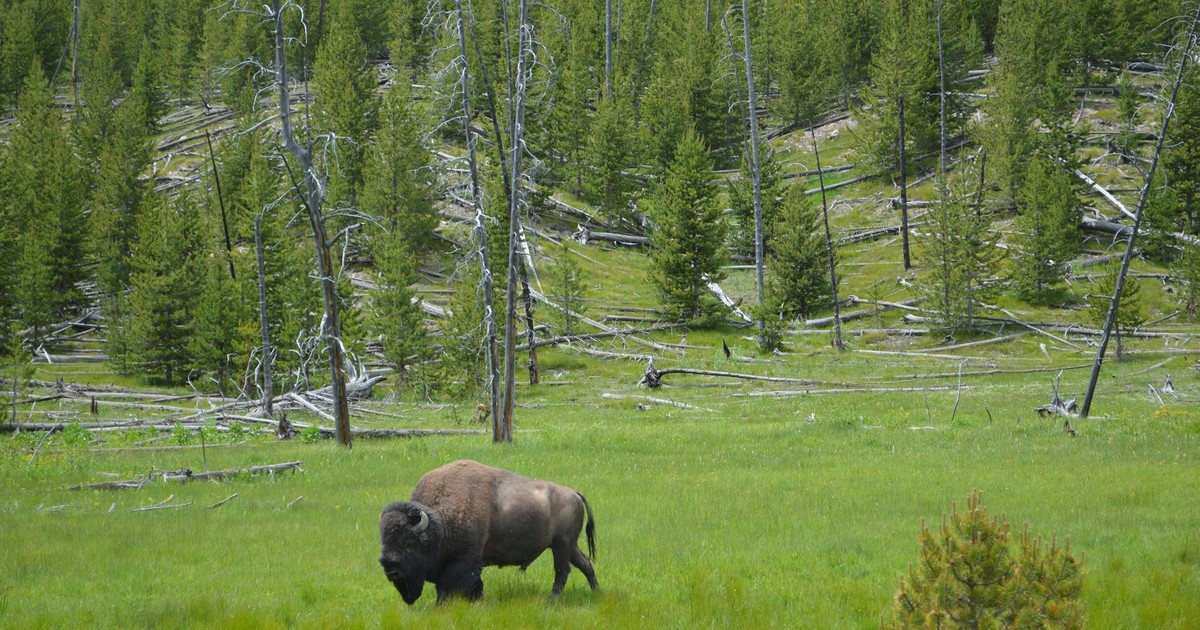
| 5 | Theodore Roosevelt National Park | Visitors wanting badlands scenery without South Dakota crowds | Bison and wild horses roam freely in silent painted canyons | North Dakota location makes it a destination, not drive-through |
But the National Park System is a vast and diverse treasure chest, holding 63 official “parks” and hundreds of other protected units. Hidden within this roster are absolute gems where the scenery rivals the heavy-hitters, but the visitor logs tell a different story. These are places where you can still hear the wind in the pines, have a trailhead to yourself, and feel a profound, personal connection to the land. This list ranks the five most underrated national parks based on a powerful, simple formula: maximum scenery, minimum crowds. We’re trading the postcard for the path less traveled.
5. Great Basin National Park, Nevada
The Loneliest Park in the Loneliest State
Tucked into the remote east-central border of Nevada, far from the neon glow of Las Vegas, Great Basin is a park of stunning, silent contradictions. It’s an island in the sky, a place where you can stand in a grove of 5,000-year-old bristlecone pines—the oldest non-clonal organisms on Earth—and then descend into the depths of the Lehman Caves, a labyrinth of marble adorned with otherworldly formations. The park’s crown jewel is 13,063-foot Wheeler Peak, a glacier-carved monarch that offers a sky-island ecosystem.
Why It’s Underrated: Its location on “The Loneliest Road in America” (U.S. Route 50) acts as a natural filter. There are no traffic lights for miles, and the park sees a fraction of the visitors that swamp its more famous cousins. You won’t find crowds here; you’ll find profound silence and some of the darkest night skies in the contiguous U.S., perfect for unparalleled stargazing.
Seek Solitude Here:
- The Bristlecone Pine Grove Trail: A moderate hike that is a walk through deep time. The gnarled, resilient trees are humbling.
- Wheeler Peak Summit Trail: For the ambitious, this strenuous day hike rewards with panoramic views of the Snake Range and vast, empty basins.
- Lehman Caves Tours: Reserve a spot to explore the intricate cave system, a cool contrast to the high desert above.
4. North Cascades National Park, Washington
The “American Alps” Without the Crowds
Just three hours from Seattle lies a landscape so rugged and densely packed with glaciers it feels like a slice of the Swiss Alps teleported to the Pacific Northwest. North Cascades is a complex of jagged peaks, over 300 glaciers, deep green valleys, and turquoise alpine lakes. Yet, it remains one of the least-visited national parks. Why? It lacks a single, iconic, drive-up viewpoint. This is a park for those who want to earn their views.
Why It’s Underrated: Much of the park is designated as wilderness, accessible only by foot. There’s no “Going-to-the-Sun Road” here. The main thoroughfare, State Route 20, offers breathtaking vistas of the peaks, but to truly immerse yourself, you must hike. This barrier to entry keeps the masses at bay and preserves a wild, untamed spirit.
Seek Solitude Here:
- Maple Pass Loop: Often called the most beautiful hike in Washington, this loop offers wildflower meadows, larch forests, and staggering views of glaciated peaks.
- Diablo Lake Overlook: For an easy, stunning payoff, pull over to see the lake’s surreal, milky-turquoise waters, colored by glacial flour.
- Backpacking in the Pasayten Wilderness: For true isolation, lose yourself for days in this vast, roadless area on the park’s northern border.
3. Isle Royale National Park, Michigan
A Wilderness Archipelago in Lake Superior
Accessible only by boat or seaplane, Isle Royale is the ultimate crowd-avoidance national park. This remote island cluster in the frigid waters of Lake Superior is a self-contained ecosystem defined by wolves, moose, dense forests, and rocky shores. It’s a place of subtle beauty—not towering cliffs, but intimate coves, inland lakes, and boreal forests. The park is actually closed in the winter, adding to its elusive allure.
Why It’s Underrated: The journey is a commitment. The ferry ride alone takes 3-6 hours, which immediately filters out casual day-trippers. There are no cars, no roads, and very few amenities. Visitors come for one thing: pristine, trail-based wilderness. It consistently ranks among the least-visited parks, yet has the highest rate of return visitors—a testament to its magnetic pull.
Seek Solitude Here:
- The Greenstone Ridge Trail: Traverse the spine of the main island for multi-day backpacking, with chances to hear wolves howl at night.
- Rock Harbor or Windigo Areas: Base yourself at one of the two main entry points for day hikes to scenic lookouts and historic lighthouses.
- Sea Kayaking: Paddle the protected harbors and shoreline for a unique, water-level perspective of the park.
2. Congaree National Park, South Carolina
The Floodplain Fantasyland
Forget mountains and canyons; Congaree celebrates a different kind of grandeur. This park protects the largest intact expanse of old-growth bottomland hardwood forest in the southeastern United States. It’s a flat, wet, and wonderfully weird landscape where champion trees tower overhead, their roots often submerged in seasonal floods. Walking the boardwalk through this flooded forest feels like stepping into a primordial, green cathedral.
Why It’s Underrated: It lacks the dramatic, arid landscapes many associate with national parks. Its beauty is vertical (in the trees) and reflective (in the still waters). Proximity to more famous southern destinations like Charleston keeps it off many radars. But for those interested in biodiversity, birding, and a utterly unique ecosystem, it’s unparalleled.
Seek Solitude Here:
- The Boardwalk Loop: A 2.4-mile elevated trail that is the park’s heart, allowing access to the floodplain without getting your feet wet.
- Canoeing or Kayaking Cedar Creek: The best way to experience Congaree is by water. Paddle silently through cypress knees and under draping moss.
- The Weston Lake Loop Trail: For a longer hike, venture off the boardwalk onto dirt trails for a deeper immersion into the forest.
1. Theodore Roosevelt National Park, North Dakota
The Badlands That Forged a President
Our top pick for the most underrated national park is a stunning, silent landscape of painted canyons, sculpted buttes, and vast prairie where bison and wild horses roam freely. Split into three units, the park is a tribute to the landscape that healed and inspired a young Theodore Roosevelt, shaping his future conservation ethos. The South Unit is the most accessible, but the even quieter North Unit is where solitude reaches its peak.
Why It’s Underrated: North Dakota is simply not on most tourists’ itineraries. It’s a destination, not a drive-through. The park offers a badlands experience often compared to South Dakota’s, but with a fraction of the visitation. Here, you can watch a prairie sunset paint the striated hills in gold and purple, with no one else in sight, and truly understand what Roosevelt called “the romance of my life.”
Seek Solitude Here:
- The Scenic Loop Drive (South Unit): Even from your car, you’ll see bison, prairie dog towns, and breathtaking overlooks like Painted Canyon.
- The Caprock Coulee Trail (North Unit): This moderate hike is the park’s best, weaving through juniper forests and along the rims of dramatic badlands.
- Backcountry Camping in the North Unit: For the ultimate escape, get a permit, hike a few miles in, and have an entire canyon to yourself under a blanket of stars.
Conclusion: The Reward of the Road Less Traveled
Choosing an underrated national park is more than just a strategy to avoid crowds; it’s a conscious decision to engage with America’s wild places on a more intimate, personal level. These five parks—from the ancient trees of Great Basin to the silent badlands of Theodore Roosevelt—offer world-class scenery without the world-class congestion. They remind us that adventure isn’t always about checking off the most famous landmarks, but about the quality of the experience: the sound of your own footsteps on a trail, the unobstructed view from a summit, and the profound peace that comes from having a piece of natural majesty all to yourself. So next time you plan a park trip, look beyond the postcard. The path less traveled is waiting, and it’s more beautiful than you imagine.